
Johnson Matthey
Johnson Matthey is a historic name in precious metals refining and bullion, long recognized for quality and trusted hallmarks. Established in the 19th century, the company produced investment grade gold, silver, platinum and palladium bars and rounds that became staples for U.S. stackers and coin collectors. In 2015, Johnson Matthey sold its precious metals refining operations to Asahi Refining. New Johnson Matthey branded bullion is no longer produced, and existing bars trade on the secondary market.
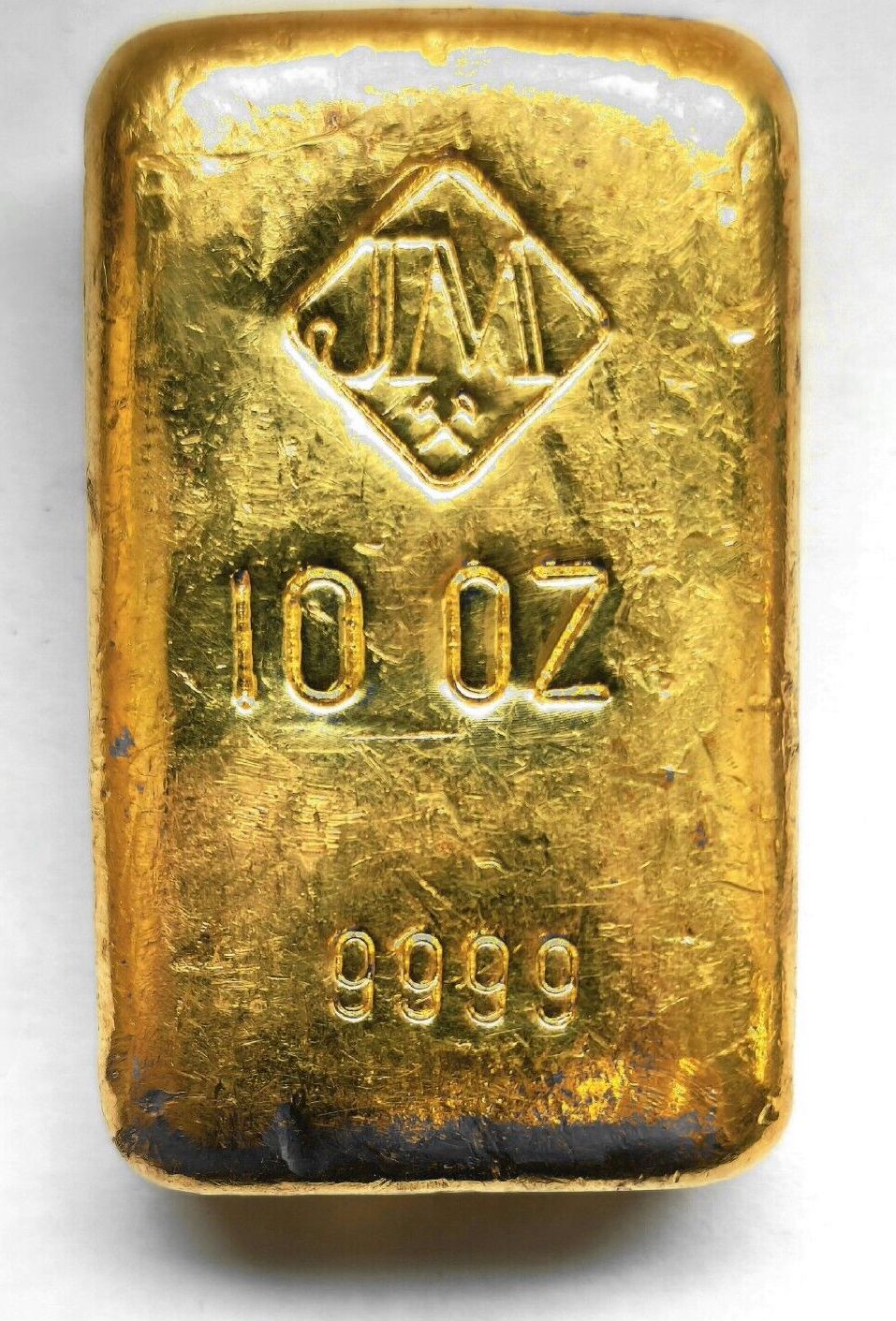
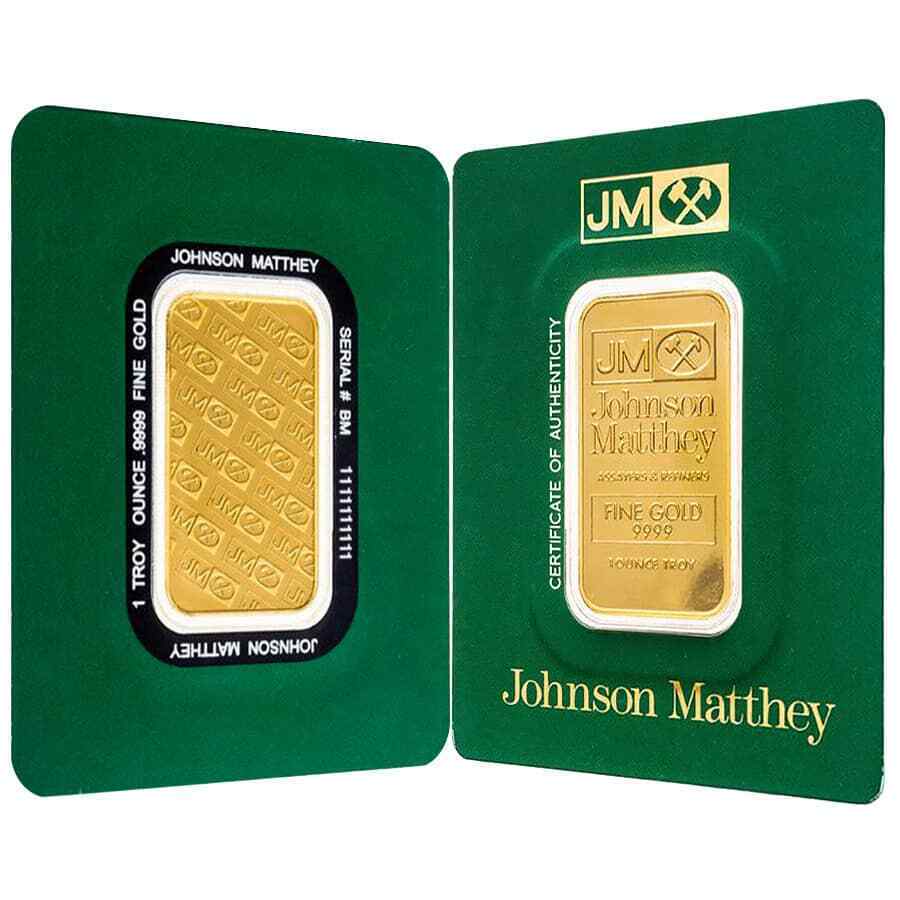
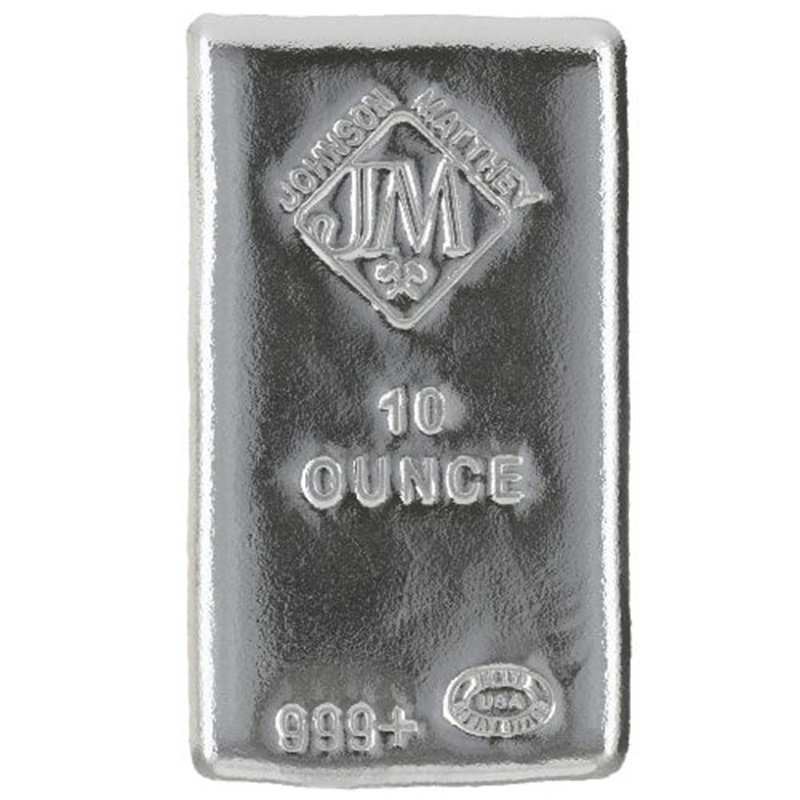
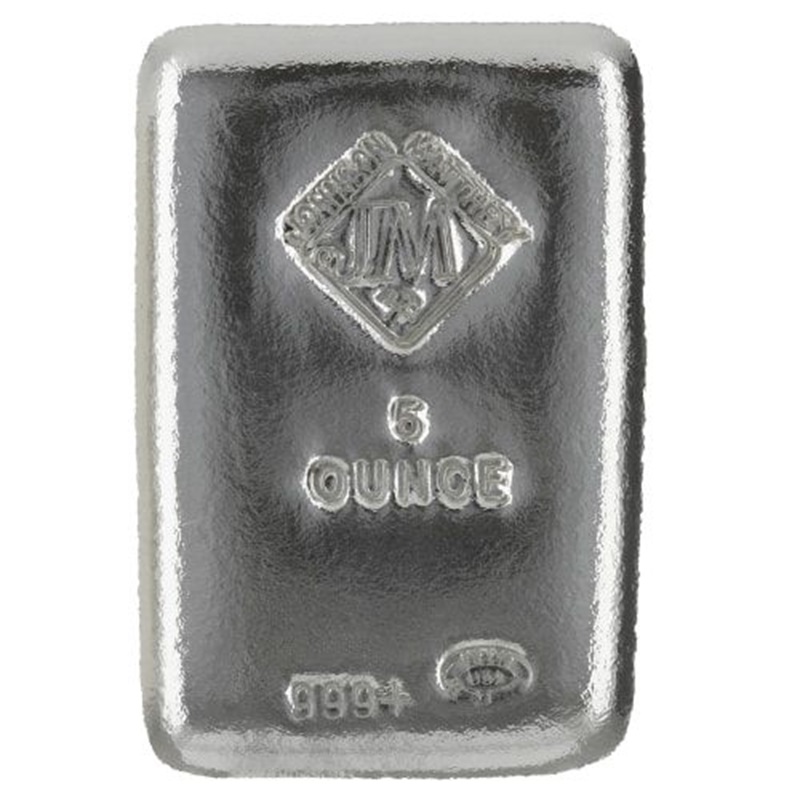
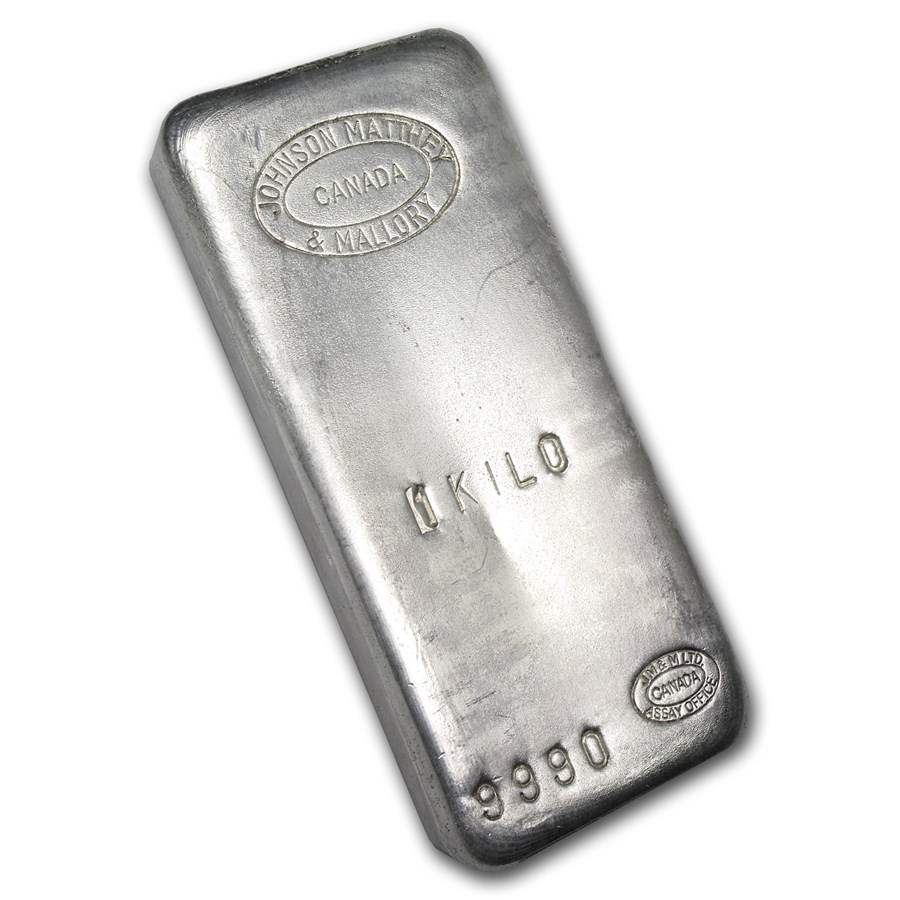
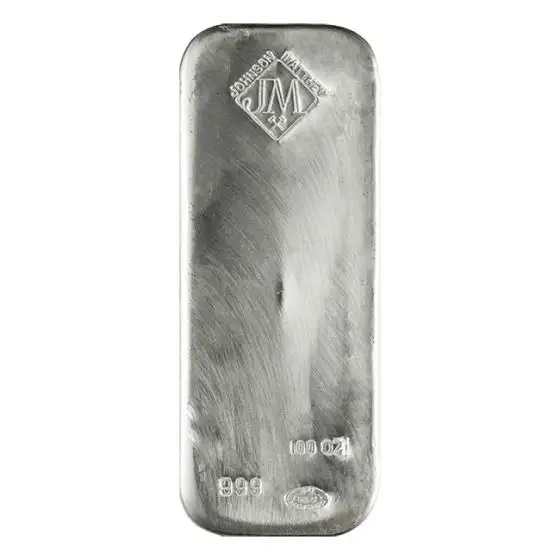
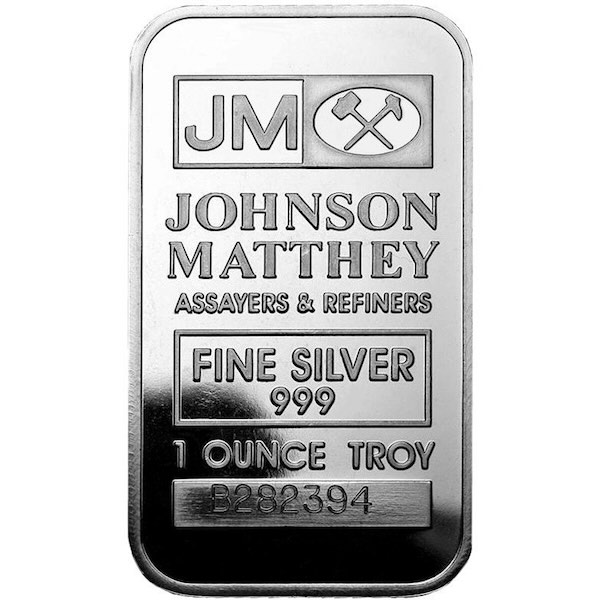
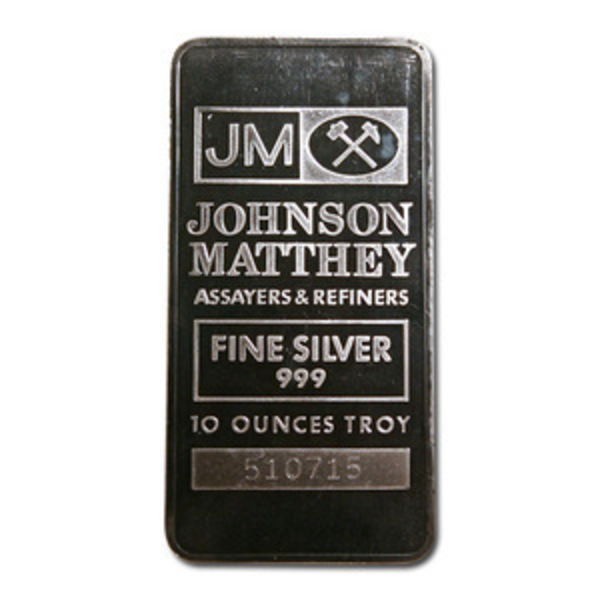
Collectors and investors seek Johnson Matthey bullion for its brand recognition, consistent fineness and distinctive stamps. Legacy products include 1 oz, 10 oz, kilo and 100 oz silver bars in both poured and pressed styles, along with 1 oz and 10 oz gold bars and select platinum and palladium issues. Many bars carry the classic JM logo with crossed hammers, fineness, weight, an assayer stamp and a unique serial number. Smaller gold bars were often sealed in assay packaging. Vintage poured 10 oz and 100 oz silver bars are especially popular for their character and limited availability.
Today, Asahi Refining operates the former Johnson Matthey facilities and continues to produce Good Delivery bars under the Asahi brand. For current manufacturer information, see: https://www.asahirefining.com/. Johnson Matthey bullion remains widely liquid on the secondary market, and some items may carry collectible premiums depending on era, minting style and condition. As with any physical metal purchase, compare dealer prices and premiums before buying.
Johnson Matthey Highlights
- Legacy bullion brand with long-standing LBMA Good Delivery recognition during its operating era
- No new Johnson Matthey bars are produced; all JM bullion is secondary market
- Common formats: 1 oz, 10 oz, kilo and 100 oz silver bars; 1 oz and 10 oz gold bars; select platinum and palladium bars
- Known for clear hallmarks: JM logo with crossed hammers, weight, fineness, assayer mark and often a serial number
- Vintage poured silver bars are sought after by collectors and may command higher premiums
- Broad market acceptance and strong liquidity among U.S. bullion buyers
- Corporate continuity under Asahi Refining for current production and Good Delivery standards
Johnson Matthey FAQ
- Q: Does Johnson Matthey still make bullion?
A: No. Johnson Matthey exited the bullion refining business in 2015 when Asahi Refining acquired the assets. New JM branded bars are not issued.
- Q: What Johnson Matthey products are typically available?
A: Secondary market offerings often include 1 oz, 10 oz, kilo and 100 oz silver bars, 1 oz and 10 oz gold bars, and occasional platinum or palladium bars. Availability varies by dealer and market conditions.
- Q: What purities should I expect?
A: Most Johnson Matthey silver bars are .999 fine. Gold bars are commonly .9999 fine. Platinum and palladium bars are typically .9995 fine. Always verify markings and dimensions for a specific bar.
- Q: Why do some JM bars cost more than generic bars?
A: Brand recognition, vintage status and collectibility can add a premium. Poured 10 oz and 100 oz silver bars and early hallmarks often bring higher prices than standard generic bars.
- Q: How can I authenticate a Johnson Matthey bar?
A: Check hallmark details, compare weight and dimensions, and look for a unique serial number. Professional verification methods include XRF, ultrasound and specific gravity tests. Buying from reputable sources reduces risk.
- Q: Are Johnson Matthey bars IRA eligible?
A: Eligibility depends on the bar, fineness and your custodian’s rules. Many JM bars meet minimum fineness standards, but you should confirm acceptance with your IRA provider.
- Q: What is the difference between poured and pressed JM bars?
A: Poured bars have a cast, loaf-like appearance with unique surface characteristics. Pressed or extruded bars have sharper edges and more uniform finishes. Both types are accepted by the market.
- Q: Are Johnson Matthey and Asahi bars the same?
A: They are different brands. Asahi Refining operates the former JM facilities and maintains Good Delivery standards, but current production carries the Asahi brand, not Johnson Matthey.
- Q: Do all JM bars have serial numbers?
A: Many do, especially larger bars and some gold issues, though not every product or era included serial numbering. Presence of a serial number aids traceability and verification.
- Q: Any tips before buying JM bullion?
A: Compare prices and premiums across multiple dealers, confirm authenticity and condition, and understand that vintage pieces may carry collectible premiums. Align purchases with your budget, goals and storage plans.
Pricing and availability for Johnson Matthey bullion change with market conditions. Comparing live dealer premiums can help you identify the lowest all-in cost before you buy.
https://www.asahirefining.com/