
U.S. Silver Coin Melt Values
Determining the current price of silver coins is a straightforward process once you know the silver content of the coin and the current market price, often referred to as the silver spot price.
US Mint Silver Coin Melt Values
| Description | Face Value | ASW | Melt Value | Per $1 Face | Per Bankroll | |
|---|---|---|---|---|---|---|
| Nickel | 1942-1945 "War Nickel" | $0.05 | 0.0563 | $3.49 | $69.72 | $139.44 |
| Roosevelt Dime | 1946-1964 Roosevelt Dime | $0.10 | 0.0715 | $4.43 | $44.27 | $221.36 |
| Mercury Dime | 1916-1945 Mercury Dime | $0.10 | 0.0715 | $4.43 | $44.27 | $221.36 |
| Barber Dime | 1892-1916 Barber Dime | $0.10 | 0.0715 | $4.43 | $44.27 | $221.36 |
| Washington Quarter | 1932-1964 Washington Quarter | $0.25 | 0.17875 | $11.07 | $44.27 | $442.73 |
| Standing Liberty Quarter | 1916-1930 Standing Liberty Quarter | $0.25 | 0.17875 | $11.07 | $44.27 | $442.73 |
| Barber Quarter | 1892-1916 Barber Quarter | $0.25 | 0.17875 | $11.07 | $44.27 | $442.73 |
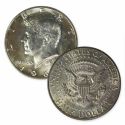
| 40% Kennedy Half Dollar | 1965-1970 Kennedy Half Dollar | $0.50 | 0.147893 | $9.16 | $18.32 | $183.15 |
| 90% Kennedy Half Dollar | 1964 Kennedy Half Dollar | $0.50 | 0.3575 | $22.14 | $44.27 | $442.73 |
| Franklin Half Dollar | 1948-1963 Franklin Half Dollar | $0.50 | 0.3575 | $22.14 | $44.27 | $442.73 |
| Walking Liberty Half Dollar | 1916-1947 Walking Liberty Half Dollar | $0.50 | 0.3575 | $22.14 | $44.27 | $442.73 |
| Barber Half Dollar | 1892-1915 Barber Half Dollar | $0.50 | 0.3575 | $22.14 | $44.27 | $442.73 |
| 40% Bicentennial Quarter | 1976 Washington Bicentennial Silver Quarter | $.25 | 0.08 | $4.95 | $19.81 | $198.14 |
| 40% Eisenhower Dollar | 1971-1976 Eisenhower Silver Dollar | $1.00 | 0.3161 | $19.57 | $19.57 | $195.73 |
| Peace Dollar | 1921-1935 Peace Dollar | $1.00 | 0.77345051 | $47.89 | $47.89 | $478.92 |
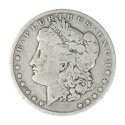
| Morgan Dollar | 1878-1904 & 1921 Morgan Dollar | $1.00 | 0.77345051 | $47.89 | $47.89 | $478.92 |
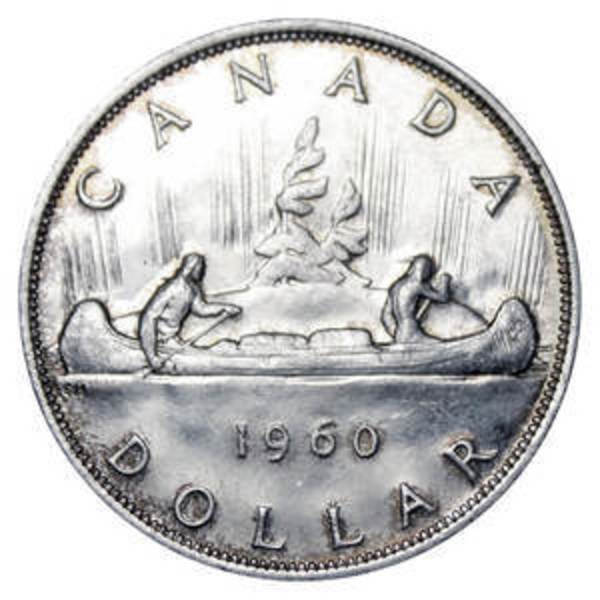
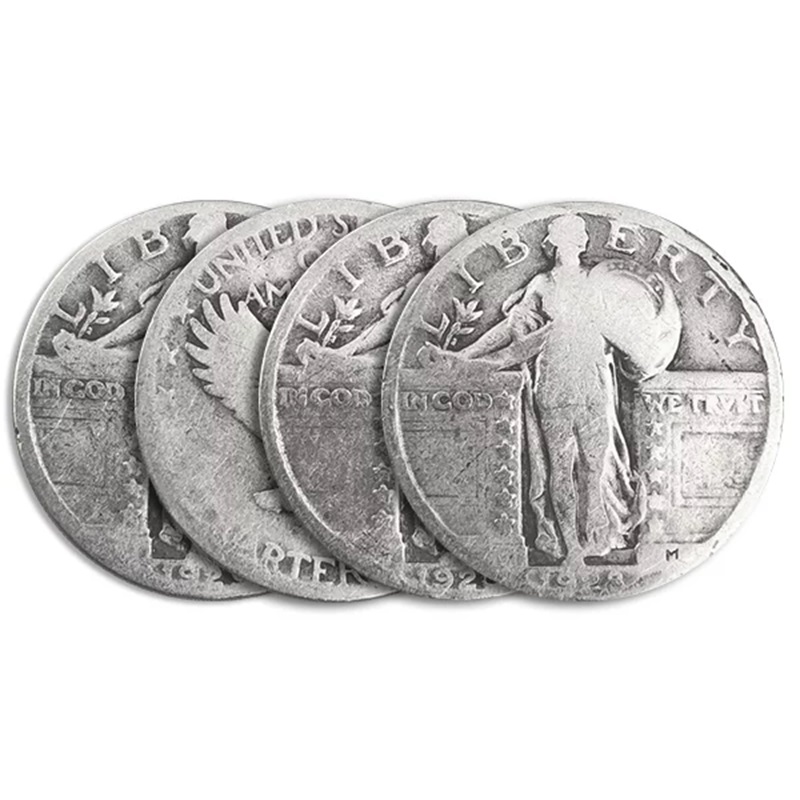
How to Calculate Melt Value
The melt value refers to the intrinsic value of the precious metal contained within a coin. It's the underlying value of the metals. The melt value is primarily determined by the metal's weight and purity, multiplied by the current spot price.
Most circulated junk silver coins are composed of an alloy containing 90% pure silver. This high silver content gives them a significant intrinsic value based on the current spot price of silver.
Silver's weight is measured in troy ounces, which differ from the more common avoirdupois ounce used to measure most other goods in the U.S. An avoirdupois ounce contains roughly 28.35 grams, but a troy ounce contains roughly 31.1035 grams. You can use the melt value calculator below to determine the value of common circulated coins.
Melt Value Calculator
Determining the current value is quick and easy. Simply enter the quantity of each coin denomination and click the calculate button. The values are instantly calculated based on today's silver spot price.
Potential Numismatic Value
Beyond the silver content, many pre-1965 silver coins may also have numismatic value for collectors. The melt value doesn't consider the numismatic or collector value that a coin might have. Specific key dates, mint marks, or conditions can make some coins worth significantly more than their melt value.
If you have questions about whether a coin may have numismatic value, you can visit a local coin store in your area for a professional appraisal.
Store of Value and Wealth
By understanding the melt value, buyers can ensure they pay only a little over the intrinsic value. Melt value calculations require accurate information about the piece's purity and weight. Understanding these can help you verify that the silver coin you're buying is not counterfeit.
If your primary goal is to invest in precious metals, knowing the melt value allows you to assess the potential for profit or loss. You can track silver's market price and make informed decisions about buying or selling based on price.
When considering different forms of silver (e.g., coins vs. bars), knowing the melt value helps you compare them equally. For instance, you can compare the premium (the amount over melt value) you're paying for a coin to determine if it's a better or worse investment than a bar.
Historically, investors have utilized silver as a store of value and a hedge against inflation. As a tangible asset, silver can help preserve wealth over time.
