When buying physical silver or gold, understanding basic physical properties can help investors and collectors make more informed decisions. One of the most important, and often overlooked, properties of precious metals is density.
Density is defined as mass per unit of volume. In simple terms, it describes how much matter is packed into a given space. Materials with low density, such as Styrofoam, feel light for their size because their mass is spread out. High-density materials, like precious metals, pack a lot of mass into a relatively small volume and feel noticeably heavy when handled.
Both silver and gold are considered high-density metals, and this characteristic plays a critical role in authenticity testing, storage efficiency, and product comparison.
Density of Silver
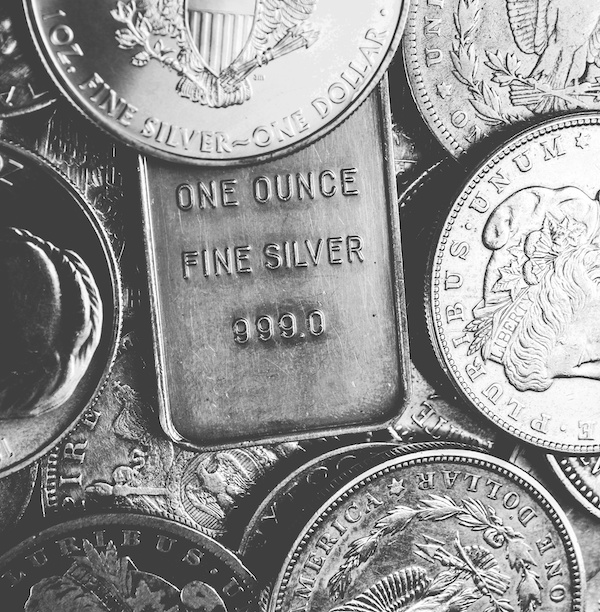
Pure silver (.999 fine) has a density of 10.49 grams per cubic centimeter (g/cm³) at standard room temperature (68°F / 20°C).
Silver products that are less than pure will typically have a slightly lower density because they are alloyed with other metals, most commonly copper or, in some cases, nickel. These metals have lower densities than silver, which reduces the overall density of the finished product.
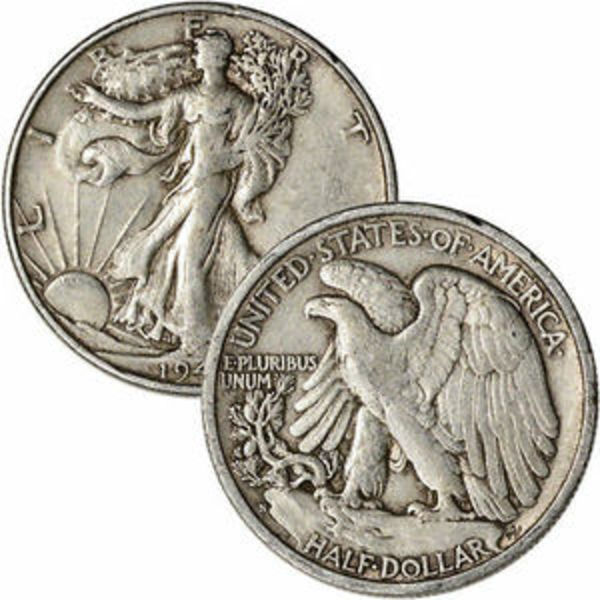
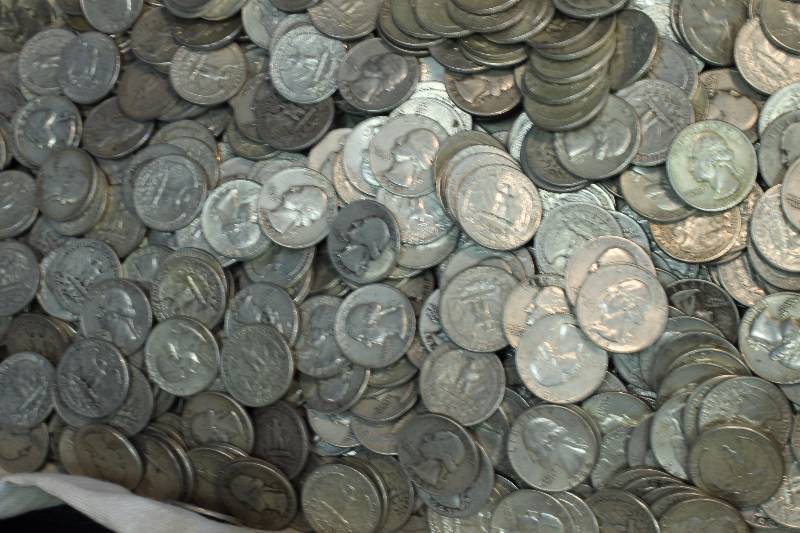
A common example is pre-1965 U.S. silver coinage, which is 90% silver and 10% copper. These coins have an average density of approximately 10.31 g/cm³, slightly lower than pure silver but still distinctly higher than most base metals.
Because silver’s density falls within a relatively narrow range, significant deviations can be a red flag during authenticity checks.
Density of Gold
Gold is substantially denser than silver. Pure gold (.9999 fine) has a density of 19.32 g/cm³ at room temperature—nearly twice that of silver.
This extreme density is one reason gold is so space-efficient as a store of value. A one-ounce gold coin is dramatically smaller than a one-ounce silver coin, despite containing the same weight of metal.
Not all gold bullion products are pure. For example, both American Gold Eagles and South African Gold Krugerrands are struck in a 22-karat alloy (91.67% gold, balance copper), giving them an effective density of approximately 17.45 g/cm³. While still very dense, these coins are measurably less dense than pure gold due to the alloying metal.
Understanding these density differences helps buyers distinguish between product types and recognize whether a coin’s size and weight make physical sense.
Why Density Is Useful for Authenticity Testing
Density is one of the most reliable physical properties for verifying precious metals because it is difficult to counterfeit accurately. Many base metals used in fakes, such as lead, brass, or tungsten, have densities that differ enough to raise suspicion when properly measured.
While professional verification methods (XRF, ultrasonic testing) are preferred for high-value items, density testing remains a valuable first-pass, non-destructive check for silver and gold.
Using the Water Displacement Method to Test Silver and Gold
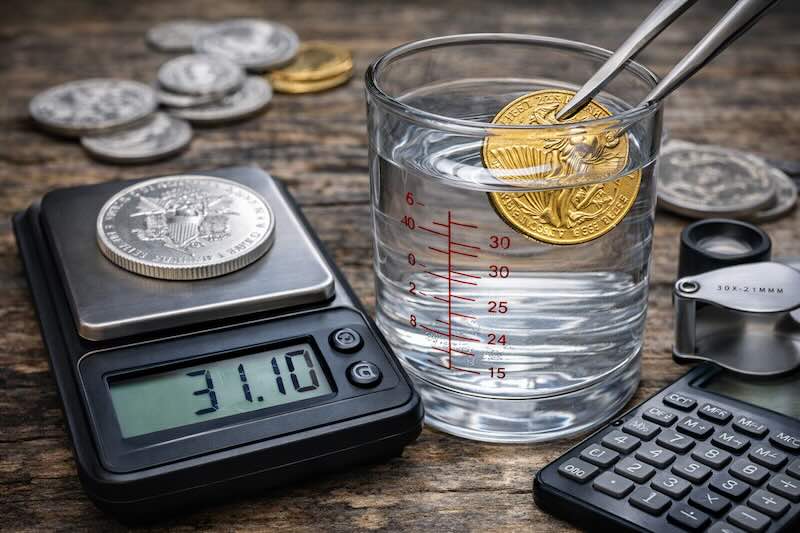
One of the simplest ways to estimate density at home is the water displacement method, based on Archimedes’ principle. This method measures how much water an object displaces when submerged, allowing you to calculate volume and, in turn, density.
What You Need
- A precise digital scale (measuring to at least 0.01 grams)
- A graduated cylinder or measuring cup with milliliter markings
- Water
- The coin or bar being tested
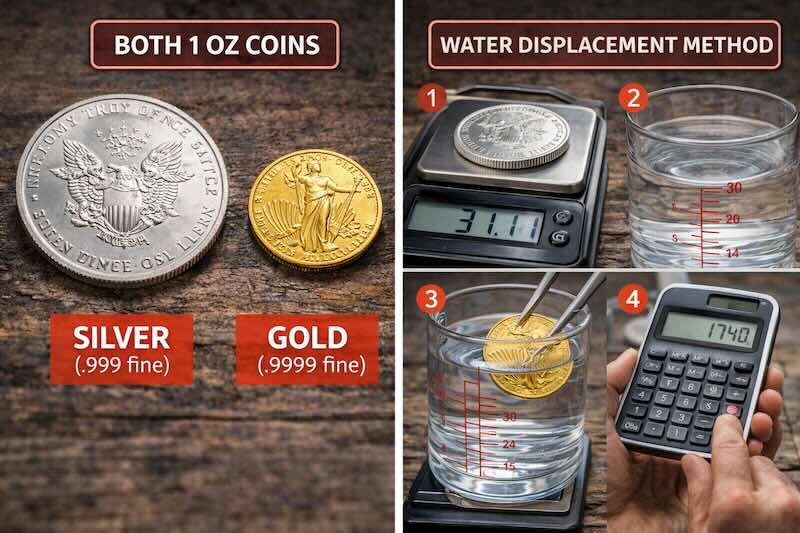
Step-by-Step Process
- Weigh the item
Record the mass in grams. - Measure the water volume
Fill the graduated cylinder with enough water to fully submerge the item and note the initial water level. - Submerge the item completely
Carefully place the metal into the water without splashing. Record the new water level. - Calculate volume displaced
Subtract the initial water level from the final level. The result (in milliliters) equals the volume in cubic centimeters. - Calculate density
Divide the mass (grams) by the volume (cm³). Density = Mass ÷ Volume
Interpreting the Results
- ~10.49 g/cm³ → likely .999 fine silver
- ~10.3 g/cm³ → consistent with 90% silver alloys
- ~19.32 g/cm³ → pure gold
- ~17.4 g/cm³ → 22k gold alloys (e.g., Gold Eagles, Krugerrands)
Small variations can occur due to measurement precision, temperature, or surface tension, but large discrepancies may indicate a counterfeit or plated item.
Final Thoughts
Density alone does not replace professional testing, but it is a powerful tool when combined with accurate weight and dimensional checks. Silver and gold’s unusually high densities are part of what makes them effective stores of value, and difficult to imitate convincingly.
For investors, collectors, and bullion buyers, understanding density adds an extra layer of confidence when evaluating physical precious metals, especially in secondary market transactions or private purchases.
This article is for informational purposes only and does not constitute investment or authentication advice. When in doubt, consult a qualified precious metals professional or assay service.