I’ve watched people obsess over spot price like it’s the only number that matters. Then they check out with a credit card, pay a few percent extra, and act surprised when the “deal” doesn’t feel like a deal anymore.
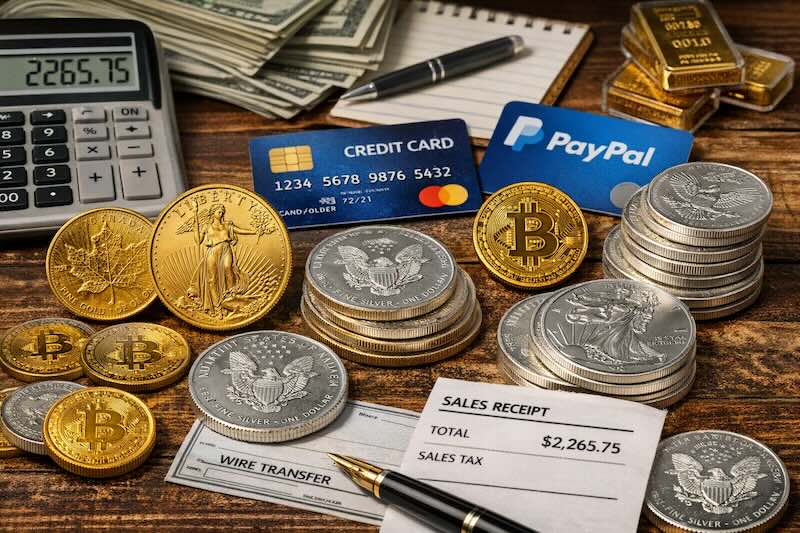
Physical bullion has two prices:
Spot price (the paper-market benchmark)
Your real-world price (the coin/bar + premium + payment costs + shipping + maybe sales tax)
If you buy gold and silver online, payment method is one of the fastest ways to quietly change your cost basis.
Let’s break it down.
What are dealer premiums?
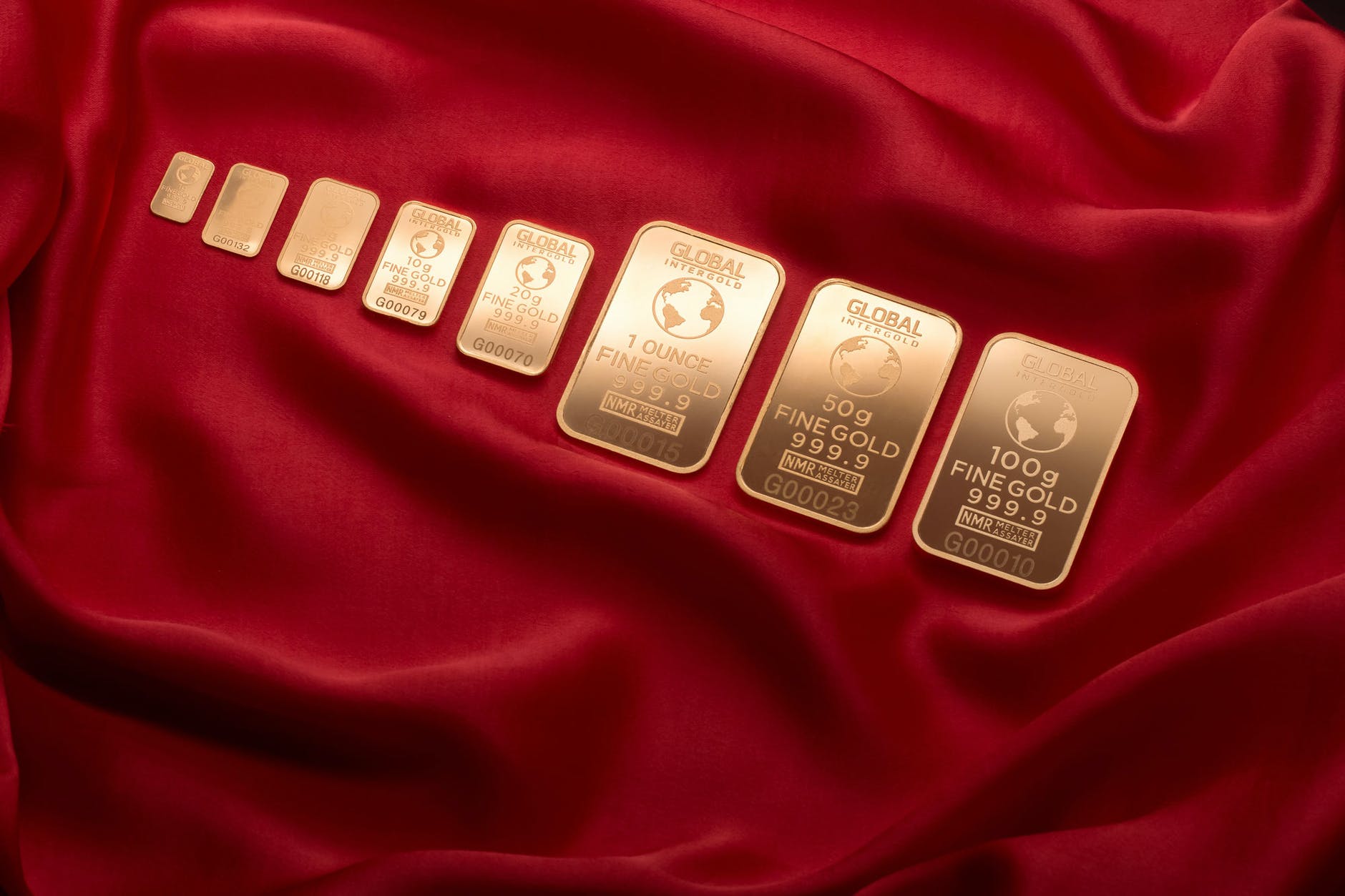
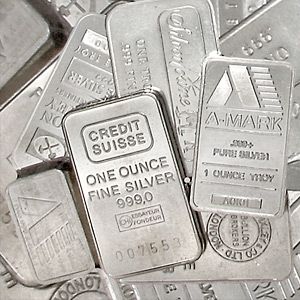
A dealer premium is the amount you pay above the metal’s spot price to buy a specific physical product, like a 1 oz Gold Eagle, a Silver Maple Leaf, or a 10 oz silver bar.
Premiums exist because physical metal isn’t a stock ticker. A real coin has to be:
minted (or sourced),
shipped and insured,
stored,
hedged against price swings,
and sold by a dealer who needs to stay in business.
So yes, the retail price of a gold coin is higher than the gold spot price. The size of that premium is what you control.
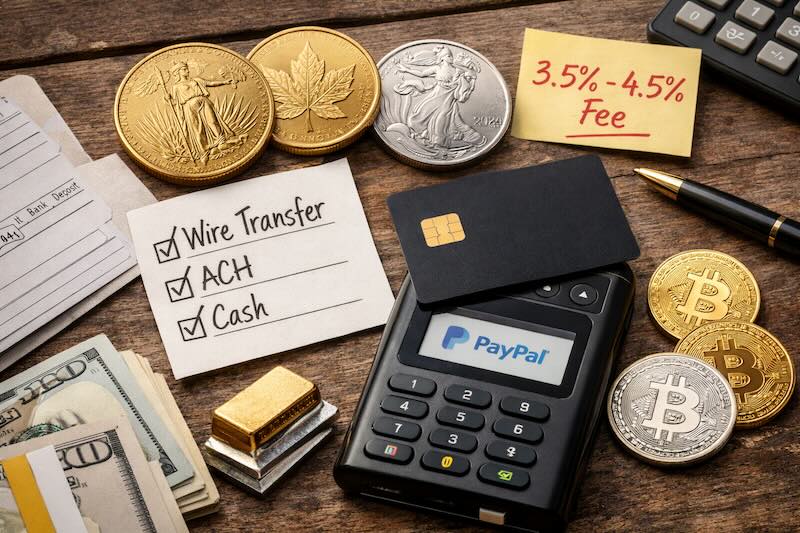
1) Cash / ACH / Wire Transfer pricing (lowest premium)
This is the “cash price,” even when nobody’s mailing a sack of twenties.
What it means:
No added payment-method premium from the dealer beyond the listed price
Your main add-ons are usually shipping/insurance (if you’re under the free-shipping threshold) and state sales tax (where applicable)
Why it’s cheapest: The dealer gets paid in a way that’s typically lower cost, lower fraud risk, and harder to reverse once it clears.
Real-world note: ACH isn’t instant everywhere. Some dealers ship after funds clear, others ship faster if you’re established. If you’ve ever refreshed a tracking number for three days straight, you already know the vibe.
2) PayPal / Credit Card pricing (usually +3.5% to +4.5%)
This is where a lot of people accidentally torch their “low premium” strategy.
Typical impact: Dealers often charge ~3.5% to ~4.5% more than the ACH/cash price, depending on the dealer and product.
And here’s the part people miss: If your state charges sales tax on bullion, you may be paying sales tax on the higher card price, not the lower cash price. That’s a double-whammy to your cost basis.
Why dealers charge more here:
Card networks charge processing fees
Fraud attempts are constant
Chargebacks are a real risk, especially on high-ticket items
Dealers still have to hedge the metal while waiting for settlement
Crypto is the wild card. Some dealers treat crypto like a card transaction. Others price it closer to ACH.
Typical patterns you’ll see:
Some dealers price crypto about the same as PayPal/credit cards (~4% higher)
Others price crypto between +2% and +3% above ACH/cash
Why the spread is all over the place:
Some dealers use payment processors that charge meaningful fees
Crypto prices can move quickly while an invoice is being funded/confirmed
Network fees and conversion spreads can get baked into the dealer’s pricing
Risk controls vary a lot dealer-to-dealer
Crypto can be convenient, but it’s not automatically the “cheap” option. It’s “depends who’s processing it and how.”
Why Payment Method Premiums Exist
Payment premiums aren’t random markups. They’re the dealer passing through real costs and risks:
Processing costs: Card/PayPal rails aren’t free.
Fraud & chargebacks: A chargeback on bullion isn’t like a chargeback on a sweater. The metal is gone and the dealer is out thousands of dollars.
Settlement time: Some payments settle fast, some don’t. Dealers hedge price risk while waiting.
Compliance & verification: Higher-risk payments can mean more screening and overhead, dealers need to verify KYC for some transactions,
Volatility management: When markets whip around, dealers widen spreads to avoid getting clipped.
When people say “dealers are gouging,” sometimes that’s true… and sometimes it’s just math.
Reasons you might choose to pay a higher premium
Cash price is great. It’s also not always the right choice for every buyer, every time.
Credit card points/rewards (yes, sometimes it pencils out)
If you’re running a high-reward card and you pay it off responsibly, the net cost can shrink. It rarely beats ACH pricing outright, but for some buyers, the convenience and points are worth it.
Buyer protections & dispute resolution
PayPal and major card issuers can provide meaningful protections if something goes sideways—wrong item, damaged shipment, a dealer that suddenly “can’t find” your order, etc.
Should you still only buy from reputable dealers? Obviously. Does extra protection help you sleep? Also yes.
Speed and simplicity
Wires and ACH can be annoying, especially for first-time buyers setting up bank links, limits, verification steps, and all that fun stuff nobody brags about.
For smaller orders, convenience sometimes wins.
Testing a new dealer (smart paranoia)
In my experience, a lot of seasoned buyers will place a smaller “test order” with a dealer before wiring larger amounts later. Paying a bit more once to confirm shipping speed and packaging quality can be a reasonable trade.
How to Check the Math
Always verify the final price on the dealer checkout page and do a quick reality check:
Step 1: Get the ACH/cash price
That’s your baseline.
Step 2: Compare the card/PayPal/crypto price
Use this formula:
Payment Premium % = (Payment Price − ACH Price) ÷ ACH Price × 100
Step 3: Confirm whether sales tax is being applied (and to what amount)
If your state taxes bullion, check whether tax is applied to the higher payment-method price.
Step 4: Add shipping/insurance if you’re under the free-shipping minimum
Some “great prices” stop being great once shipping shows up.
Sales tax: the hidden multiplier
Sales tax rules vary by state, and they change. A common surprise: when sales tax applies, it often applies to the full transaction amount, including the payment-method markup.
So a 4% card premium can turn into a bigger real cost once tax is layered on top.
If you’re not sure about your state rules, treat this as a “verify before you click buy” item, not an afterthought.
A practical framework for keeping premiums reasonable
1) Choose the right products first
If you care about liquidity and resale flexibility, stick with widely recognized bullion:
American Gold Eagles / Buffalos
Canadian Maple Leafs
Britannias
Krugerrands
Major low-premium bars from trusted refiners
The more liquid the product, the cleaner your exit tends to be later.
2) Set a premium ceiling (seriously)
Decide what you’re willing to pay above spot for that product type, then shop within that range. It keeps you from panic-buying the most expensive listing on the internet because you saw a spicy headline.
3) Compare all-in pricing, not just the sticker
Payment method + shipping + tax = your real number.
4) Use a comparison tool so you’re not doing this manually
FindBullionPrices is built for this exact headache: comparing dealers, checking premiums, and spotting pricing gaps that show up when markets get volatile. Pair that with a quick check of gold price charts and you’ve got both sides of the picture: spot movement and real retail pricing.
Quick FAQ
Are higher premiums always bad? No. They can buy liquidity, faster delivery, better buybacks, or safer payment rails. The key is paying extra on purpose, not by accident.
Is crypto usually cheaper than credit cards? Sometimes. Sometimes it’s basically the same. Always compare the crypto price directly to the ACH price and do the math.
What should I focus on when buying gold and silver online? Product liquidity, dealer reputation, payment method cost, total delivered price, and the premium you’re comfortable carrying.
Bottom line
Dealer premiums are normal. Payment method premiums are normal too. The mistake is treating them like “background noise.”
If you want to buy gold and silver efficiently, track premiums the same way you track spot: calmly, consistently, and with a little skepticism. Verify the final price with the dealer, check the math, and pick the payment method that fits your priorities—cost, convenience, protections, or speed.
DisclaimerThis article is for informational purposes only and does not constitute financial, investment, legal, or tax advice. Precious metals prices can be volatile. Buying or selling physical bullion involves premiums, spreads, fees, shipping, insurance, and potential taxes that may affect outcomes. Verify pricing and terms with the dealer and consult qualified professionals regarding your personal situation.