The 1999 State Quarter program marked one of the most successful U.S. Mint releases in modern history, igniting national interest in coin collecting and creating millions of new hobbyists overnight. Today, collectors still search for the earliest State Quarters, especially those struck in 1999, because some rare errors and high-grade examples can carry significant value.
Among these, the 1999 Georgia State Quarter stands out. While most examples remain worth only 25 cents, certain mint errors and high-grade certified coins can command meaningful premiums. If you’re evaluating 1999 quarter value, this guide breaks down everything collectors and investors should know.
1999 Georgia State Quarter: Design, History & Mintage
Released as the fourth coin in the State Quarters series, the 1999 Georgia quarter features:
- The outline of the state
- A peach symbolizing Georgia’s nickname, “The Peach State”
- Live oak branches, the state tree
- The motto “Wisdom, Justice, Moderation”
The combined Philadelphia and Denver mintage exceeded 939 million coins, making the Georgia quarter common in circulation. But within that enormous production run, specialists have identified several error types that meaningfully affect 1999 quarter value.
1999 Quarter Value: Key Error Coins to Look For
Below are the most important—and valuable—1999 Georgia quarter errors confirmed by grading services, auction records, and numismatic attribution.
1. Off-Center Strike Errors
Off-center strikes occur when the planchet is misaligned during striking, causing part of the design to appear “off the coin.”
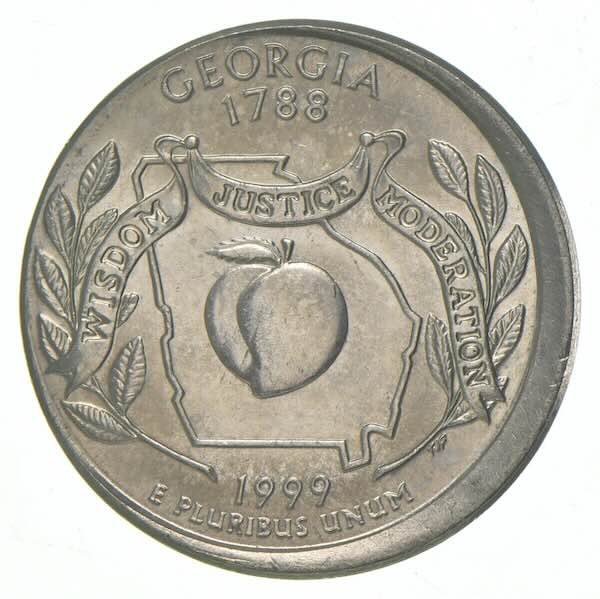
Verified value ranges for Georgia off-center quarters:
| Off-Center Percentage | 1999 Quarter Value |
|---|---|
| 5–15% off-center | $20–$50 |
| 40–60% off-center (date visible) | $150–$300 |
Extreme misalignments with a full readable date are the most desirable.
2. Missing Clad Layer Errors
A standard U.S. quarter has a copper core sandwiched between two cupronickel layers. If one clad layer fails to bond, the coin shows exposed copper on one side.
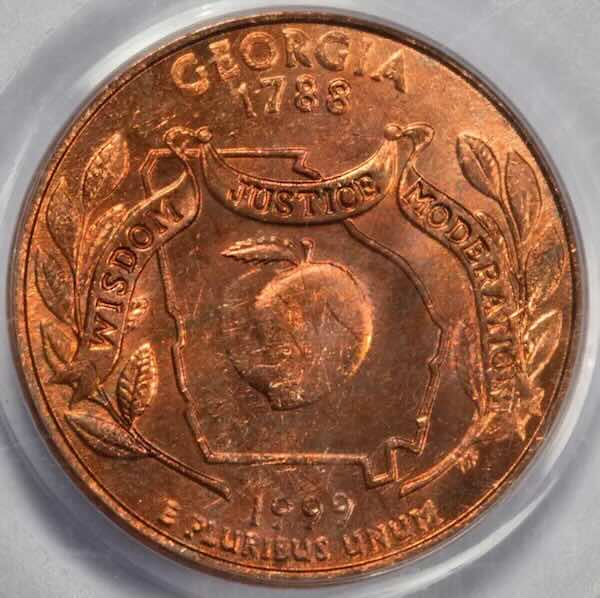
- Easily identifiable due to the copper-colored surface
- Weighs slightly less than a normal quarter
- Popular among error specialists
Typical 1999 quarter value: $170–$800, depending on severity and certification.
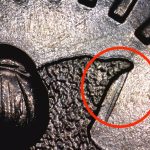
3. Die Cracks & Die Chips
As dies wear, small breaks can form, leaving raised lines or bumps on struck coins.
Common locations on 1999 Georgia quarters include:
- Above the ribbon near “Wisdom”
- Within letters of the motto
- On the peach outline
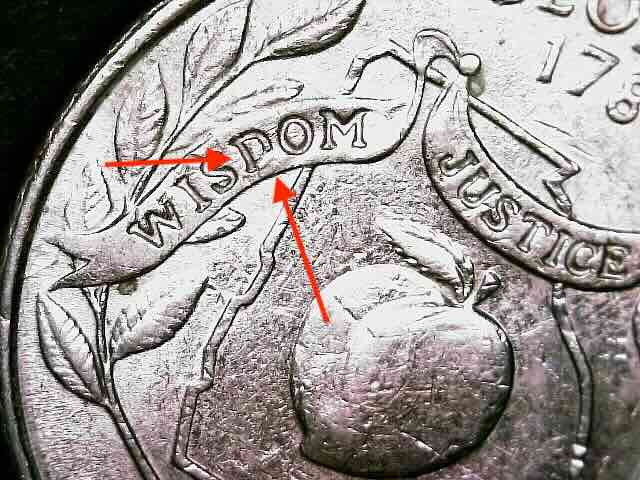
Typical value: $50–$100 for strong, dramatic examples.
Minor cracks are common and generally hold low premiums.
4. Experimental Planchet Errors (Extremely Rare)
The U.S. Mint tested alternative alloys in preparation for the 2000 Sacagawea dollar. A very small number of 1999 quarters—primarily Delaware, Pennsylvania, and Georgia—were mistakenly struck on these brass-alloy “experimental” planchets.
Identifying features:
- Distinct golden or olive-colored tone
- Weight between 5.9 and 6.3 grams (normal is 5.67g)
- Thicker appearance
- No copper stripe on the edge
Realistic Experimental Planchet 1999 quarter value: Up to $10,000 at auction for authenticated examples.
1999 Georgia State Quarter: Silver Proof Issues
In addition to business strikes, the Mint produced:
1999 Georgia Clad Proof Quarter (S mintmark)
- Copper-nickel composition
- Mirror finish
- Typical value: $5–$10
1999 Georgia Silver Proof Quarter (90% silver)
- 90% silver / 10% copper
- Highly collectible in PF69–PF70
- Typical value: $20–$40
Proofs were sold directly to collectors and never intended for circulation.
1999 Quarter Value Summary
Here is an at-a-glance valuation table for key 1999 Georgia quarter varieties:
| Error / Variety | Typical Value |
|---|---|
| Off-Center Strike | $20–$300 |
| Missing Clad Layer | $170–$800 |
| Die Cracks / Die Chips | $50–$100 |
| Experimental Planchet | Up to $10,000 |
| Silver Proof | $20–$40 |
| High-Grade Business Strike (MS67+) | $40–$150+ |
Values depend on grading, eye appeal, and market demand. Always consult current auction data or submit candidates to PCGS or NGC for authentication.
Other Valuable State Quarter Errors Collectors Should Know
While researching 1999 quarter value, collectors often encounter other high-value state quarter varieties. Here are the most notable:
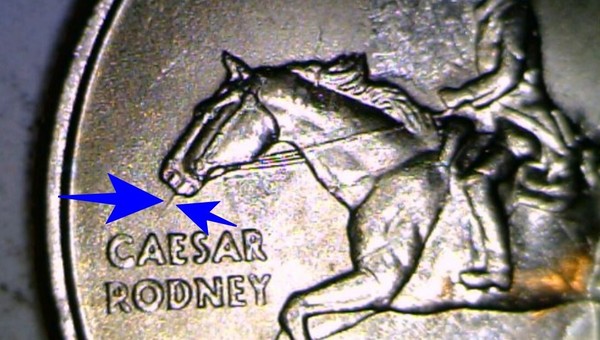
1999-P Delaware “Spitting Horse” Error
The 1999-P Delaware Quarter is known for the “Spitting Horse Error,” where a die crack creates the illusion of a line extending from the horse’s mouth.
- Die crack from horse’s mouth
- Value: $20–$500
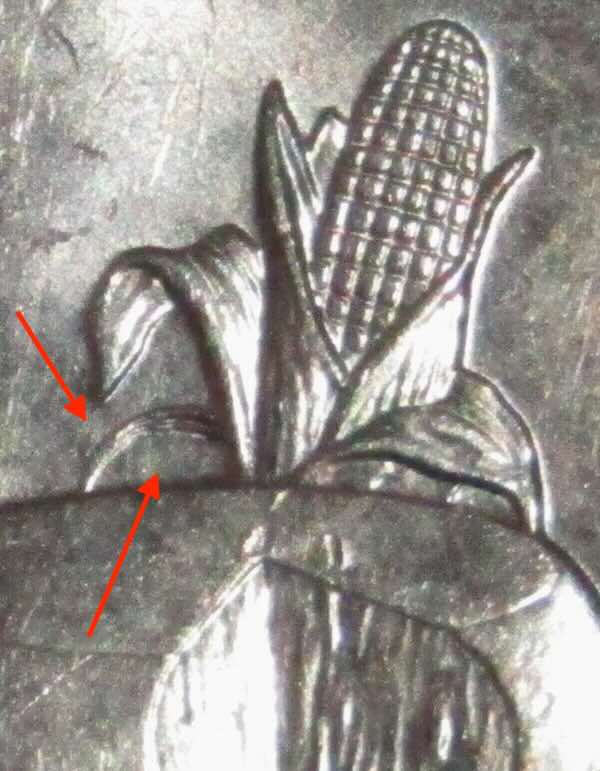
2004-D Wisconsin Extra Leaf (High/Low)
The 2004-D Wisconsin Quarter is famous for its “High/Low Leaf Error,” which features an extra “leaf” on the corn stalk caused by intentional die modifications.
- Intentional die modification
- Value: $400–$1,500+
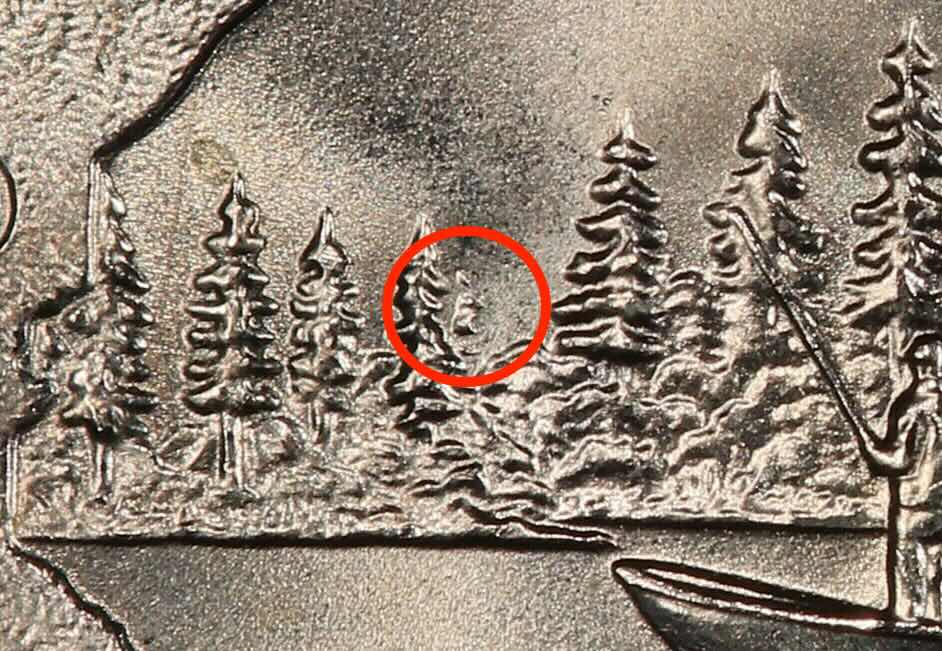
2005 Minnesota “Extra Tree” DDR
Another intriguing error is found in the 2005 Minnesota Quarter, where die doubling results in an additional tree in the design.
- Die doubling producing additional tree shapes
- Value: $100–$600
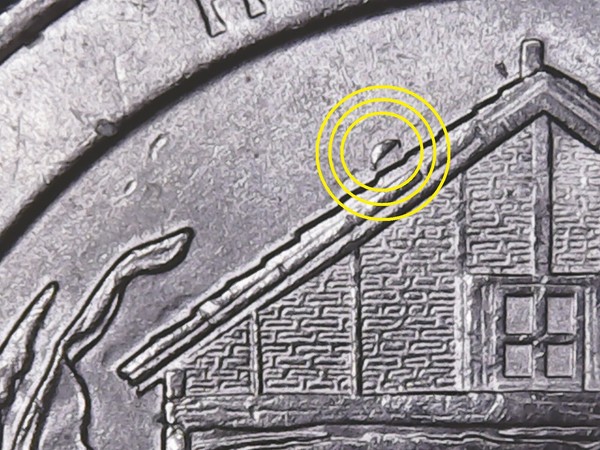
2015 Nebraska “Snow on the Roof”
The 2015 Nebraska Quarter is notable for the “Snow on the Roof Error,” where die chips create the appearance of snow on the roof of the depicted building.
- Large die chip
- Value: $100–$600
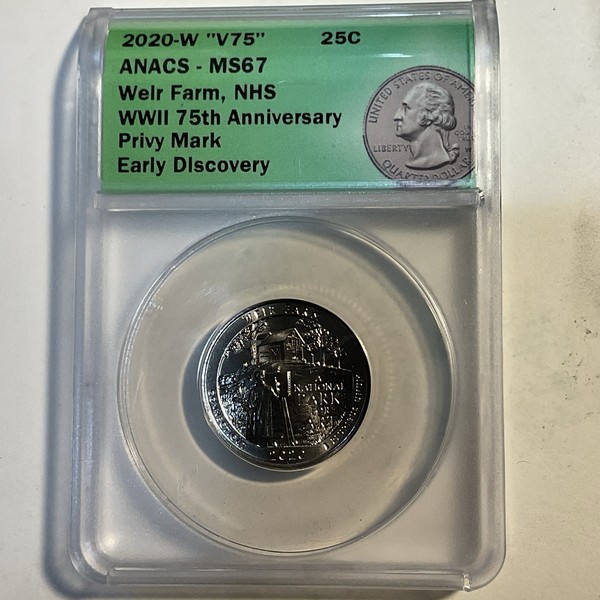
2020-W Quarters (Low Mintage)
Finally, the 2020-W Quarters, struck at the West Point Mint, stand out for their rarity. These coins contain a special privy mark commemorating the 75th Anniversary of World War II.
- Special “V75” privy
- 2 million minted per design
- Value: $20–$100+ in uncirculated grades
Final Thoughts: Is the 1999 Georgia Quarter Worth Anything?
For most people, the 1999 Georgia quarter found in pocket change is worth face value.
But for collectors who know what to look for, certain varieties, especially off-center strikes, missing clads, and experimental planchet errors, can turn an ordinary quarter into a coin worth hundreds or even thousands of dollars.
Because 1999 represents the first year of the State Quarter series, values for high-end errors continue to remain strong.
If you want to evaluate your own coins:
- Weigh suspected errors
- Look for discoloration, thickness, and missing clad layers
- Inspect for dramatic off-center strikes
- Consider professional grading for potentially rare pieces
Understanding 1999 quarter value helps collectors separate ordinary finds from genuinely valuable numismatic varieties.