If you buy gold or silver long enough, you’ll eventually run into a classic confusion: “Wait… an ounce isn’t always an ounce?”
Yep. There are two different ounce systems in common use, and precious metals use the slightly heavier one.
Quick Answer
- Avoirdupois ounce (oz): used for everyday weights (food, packages, household items).
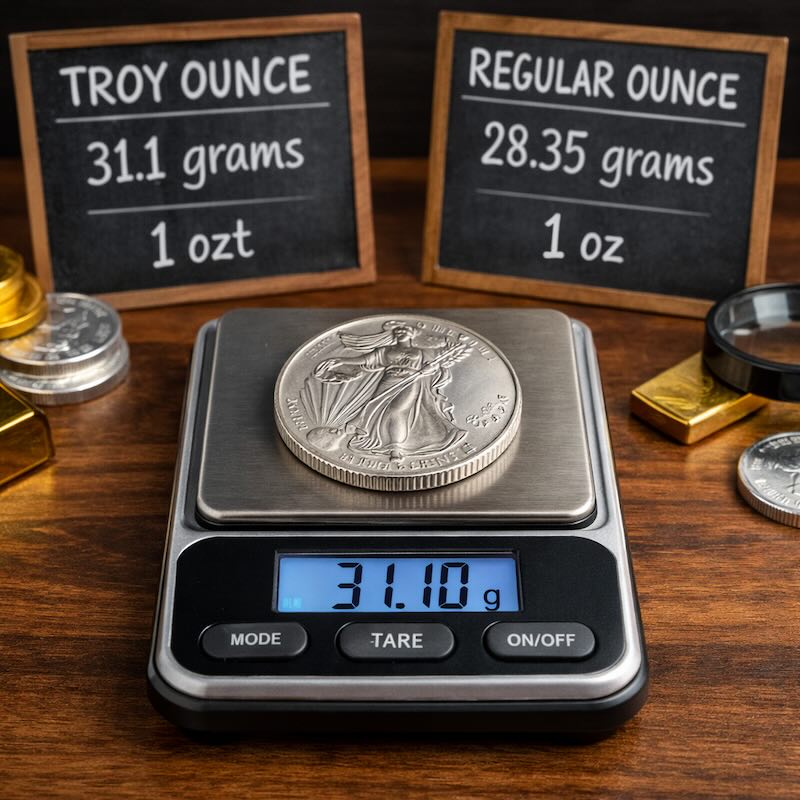
1 oz = 28.3495 grams - Troy ounce (ozt): used for precious metals (gold, silver, platinum, palladium).
1 ozt = 31.1035 grams
That’s a difference of 2.754 grams, or about 9.7%. In other words, a troy ounce is heavier.
Why Precious Metals Use the Troy Ounce
The precious metals industry uses the troy weight system, a traditional standard tied to historic trade practices (often associated with the European trading hub of Troyes, France). Regardless of where you buy bullion today, global bullion markets price metals in troy ounces.
That’s why gold is quoted as “$/oz” on financial news, but that “oz” is effectively ozt in the metals context.
The Part That Trips People Up
If you see “1 oz” on a bullion product…
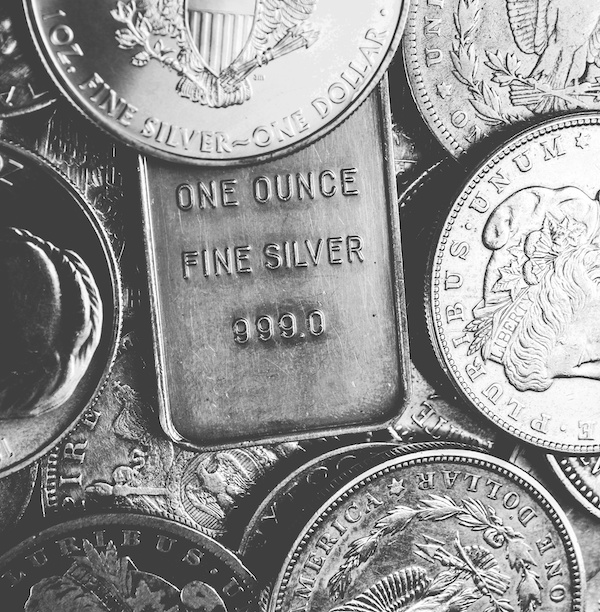
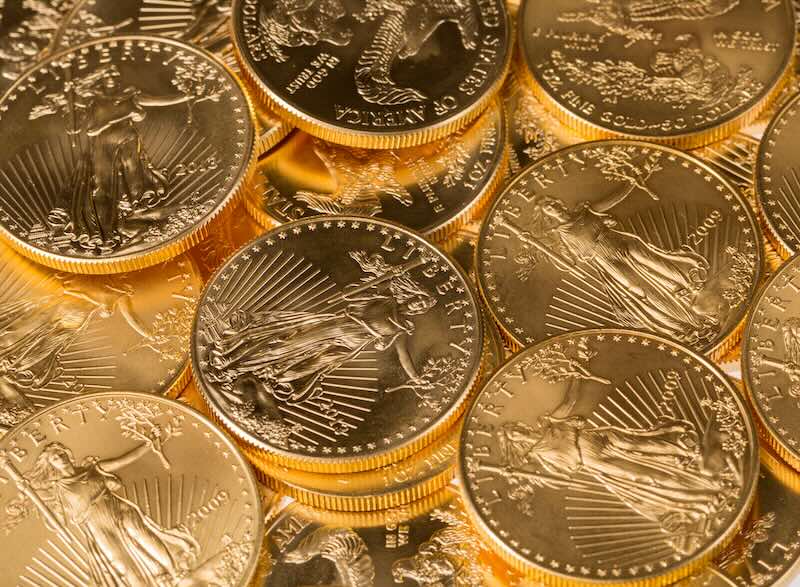
For bullion coins and bars, “1 oz” almost always means 1 troy ounce unless the seller clearly says otherwise. That includes:
- 1 oz Gold Eagle / Gold Buffalo
- 1 oz Silver Eagle / Maple Leaf / Britannia
- 1 oz bars from major refiners
If you’re weighing metals on a kitchen scale…
Most consumer scales default to grams (best) or avoirdupois ounces (oz). If you’re trying to verify bullion weight:
- Use grams for accuracy, then convert to ozt if needed.
- Or make sure your scale has a troy ounce (ozt) mode.
Handy Ounce Conversion Cheatsheet
- 1 troy ounce (ozt) = 31.1035 g
- 1 avoirdupois ounce (oz) = 28.3495 g
- 1 ozt ≈ 1.097 oz
- 1 oz ≈ 0.911 ozt
If you’re doing quick math in your head:
troy oz ≈ grams ÷ 31.1
grams ≈ troy oz × 31.1
Disclaimer: This is general information only and not financial advice. Always confirm product specs (weight system, purity, and dimensions) from the dealer or mint before purchasing.