When you click on links to various merchants on this site and make a purchase, this can result in this site earning a small commission. More information about our affiliate programs can be found here.
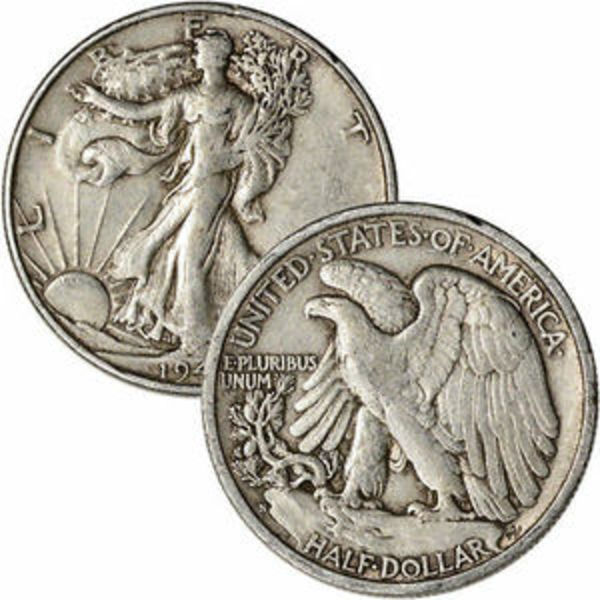
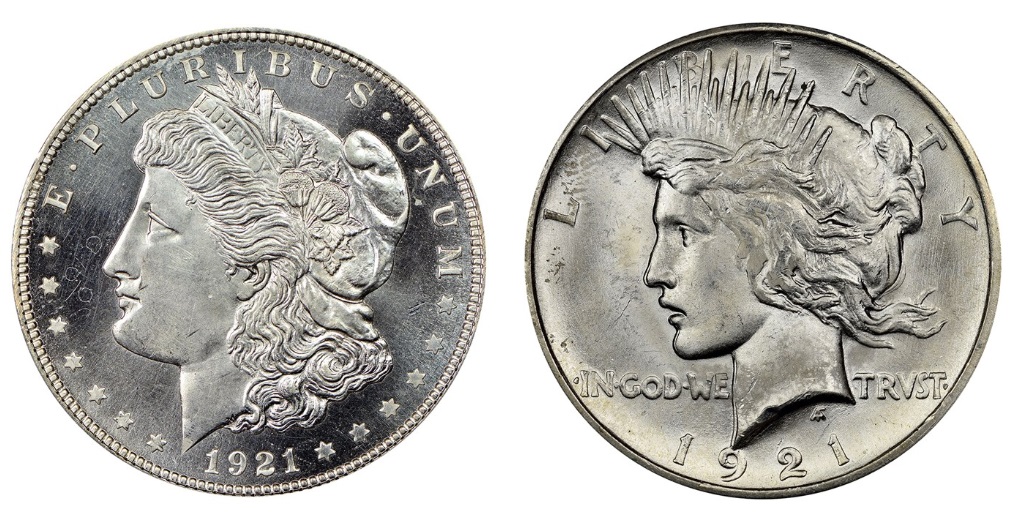
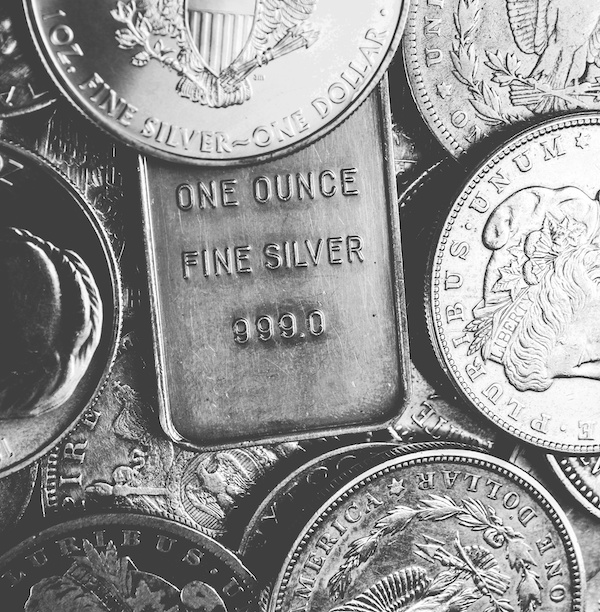
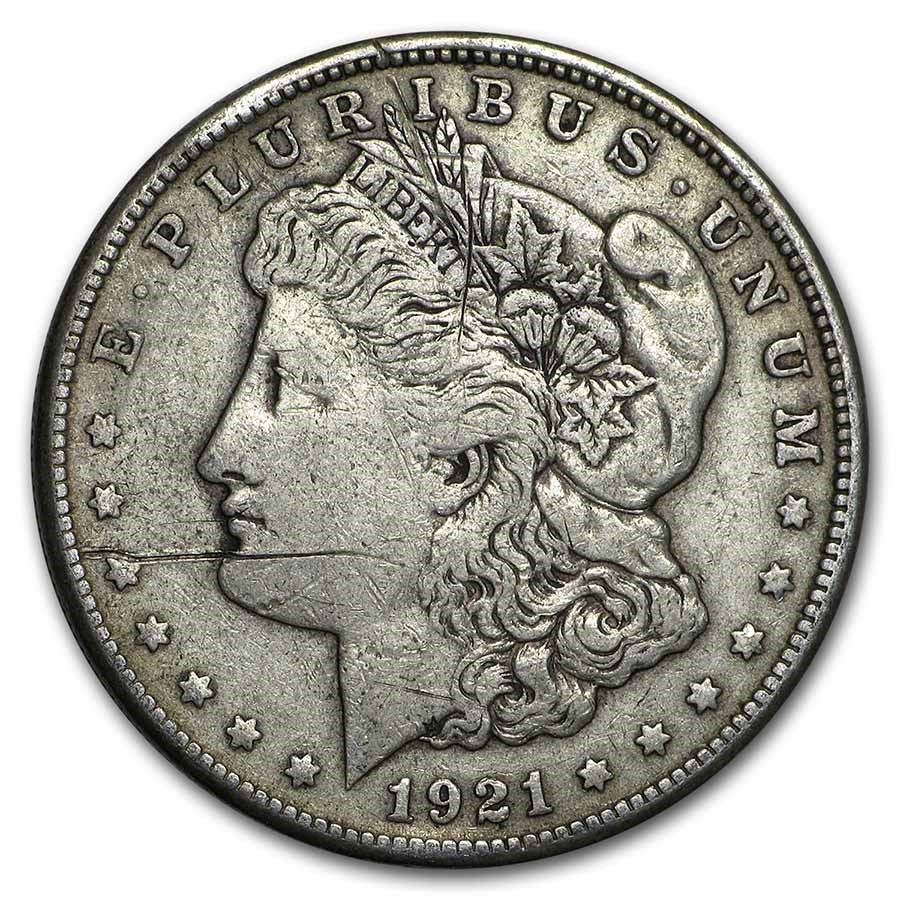
eBay moves a significant volume of silver bullion — American Silver Eagles, bars, rounds, junk silver, and world coins trade there daily from both established dealers and private sellers. The platform can produce competitive prices, especially during promotional periods, but it can also lead to overpaying if you don’t understand the fee structure behind eBay pricing.
The key skill isn’t finding silver on eBay. It’s knowing whether the eBay price is actually a good deal compared to buying the same product directly from a dealer.
Why eBay Silver Prices Look Higher
Silver bullion listings on eBay almost always appear more expensive than the same products on dealer websites. This isn’t because eBay sellers are greedy — it’s because eBay’s fee structure forces it.
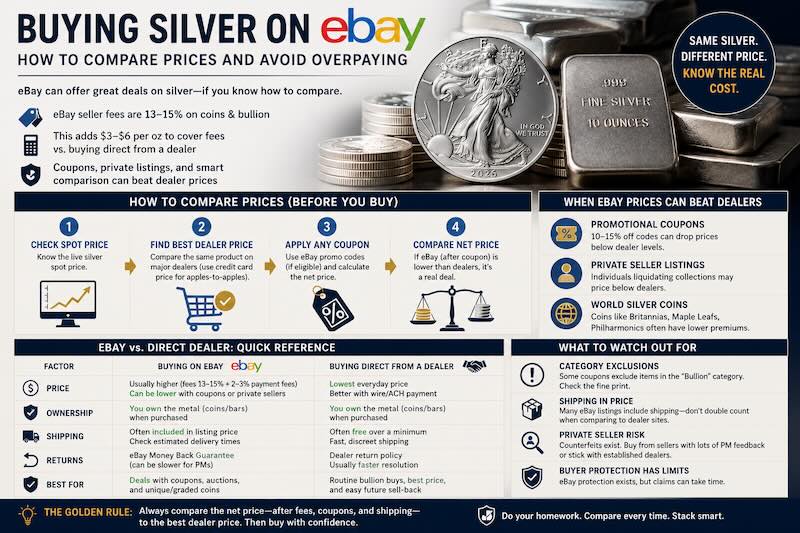
eBay seller fees run 13–15% on coins and bullion sales. That means a dealer selling a $35 Silver Eagle on their own website has to price the same coin at roughly $40–41 on eBay just to net the same margin. Add payment processing fees (another 2–3%), and the economics push eBay pricing $3–6 per ounce above direct dealer pricing for standard bullion.
This fee math is the single most important thing to understand about buying silver on eBay. It explains the price gap and tells you when an eBay deal is real versus just normal.
When eBay Prices Beat Dealers
Despite the fee structure, eBay periodically delivers genuinely competitive silver pricing:
Promotional coupons. eBay runs limited-time site-wide discount codes — typically 10–15% off — that can apply to bullion listings. When a 15% coupon hits a listing that’s already priced at a modest markup, the effective premium can drop below what direct dealers charge. These promotions are sporadic and short-lived, usually tied to shopping events or quarter-end periods.
Private seller listings. Individual sellers liquidating personal collections don’t have the same overhead as dealers. Their pricing can undercut dealer inventory, particularly on secondary-market products, junk silver lots, and older bullion from defunct mints.
Foreign silver coins below spot. During promotional periods, coins like Silver Britannias, Canadian Silver Maple Leafs, and Austrian Silver Philharmonics sometimes trade at or even slightly below spot price after applying a coupon — because these coins carry lower collector premiums than American Silver Eagles.
Which Dealers Sell on eBay
Most major online bullion dealers operate official eBay storefronts: APMEX, JM Bullion, SD Bullion, BOLD Precious Metals, Liberty Coin, and Bullion Exchanges all maintain active seller accounts. These storefronts carry eBay’s buyer protection guarantees and the dealers’ own authentication backing.
Buying from a recognized dealer on eBay is meaningfully safer than buying from an unknown private seller, but it’s also usually more expensive than buying from that same dealer’s own website. The eBay storefront exists to capture buyers who are already on eBay, not to offer the best price.
How to Compare eBay Pricing to Dealer Pricing
Before buying silver on eBay, check three things:
1. Current spot price. Know the live silver spot price before evaluating any listing. Without this reference point, you can’t calculate the actual premium.
2. Best direct dealer price on the same product. Use the silver closest to spot tool to see what the same coin or bar costs at the major online dealers right now. Compare the eBay listing against the credit card price at dealers, not the wire/check price, since eBay purchases are processed through credit card or PayPal, the credit card price is the apples-to-apples comparison.
3. Net price after any coupon. If an eBay promotion is active, apply the coupon to the listing price before comparing. A $42 Silver Eagle with a 15% coupon becomes $35.70 — potentially cheaper than any dealer.
The closest-to-spot silver page shows which dealer currently has the lowest premium on popular silver products. If eBay’s price (after any coupon) beats that number, you have a real deal.
What to Watch Out For
Category exclusions on coupons. Items listed in eBay’s dedicated “Bullion” category are sometimes excluded from promotional coupons. Coins cross-listed under “Coins & Paper Money > Coins” may be eligible when the same product in the bullion category isn’t. Check the fine print on any coupon.
Shipping built into listing price. Most dealer eBay listings include shipping in the price, making them look higher than dealer website pricing where shipping is added at checkout or waived above a threshold. Account for this when comparing.
Private seller authentication risk. For private sellers (non-dealer), counterfeit risk is real — especially on generic bars and popular coins. Buy only from sellers with extensive positive feedback specifically in precious metals. For high-value purchases, stick with dealer storefronts or require third-party graded (PCGS/NGC) coins.
eBay’s buyer protection has limits. While eBay’s Money Back Guarantee covers most purchases, the claims process can be slow for precious metals. Dealer websites typically handle returns and issues faster.
eBay vs. Direct Dealer: Quick Reference
Buy on eBay when: A promotional coupon brings the effective price below direct dealer credit-card pricing, or you’re buying graded/numismatic coins where eBay’s auction format produces competitive pricing.
Buy direct from a dealer when: You’re making routine bullion purchases, paying by wire/ACH for the lowest price, or want straightforward buyback options when you eventually sell.
Always compare before buying. Whether you’re looking at an eBay listing or a dealer website, check the current prices across dealers so you know what “competitive” actually looks like at that moment. Silver premiums shift daily, and the cheapest source today may not be the cheapest tomorrow.
This article is for informational purposes only and does not constitute financial advice. Investors should conduct their own due diligence or consult a precious metals expert before making purchases.