Collecting Liberty Head Half Eagle $5 Gold Coin
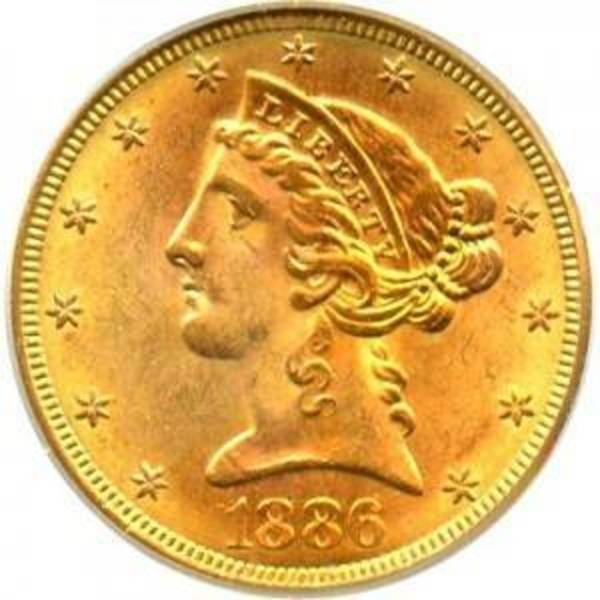
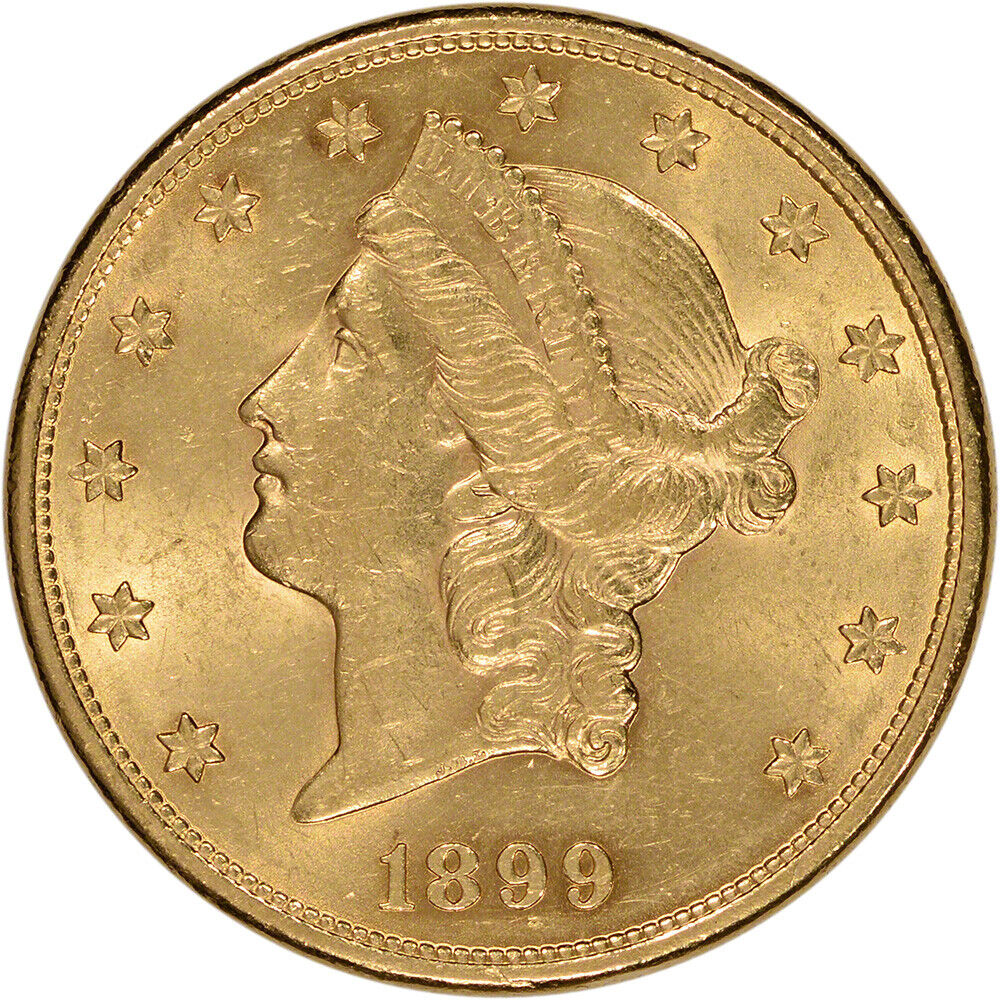
Liberty Head $5 Half Eagle Gold Coins offer an excellent combination of affordability, historical significance, and investment potential.
Liberty Head $5 Half Eagle Gold Coins offer an excellent combination of affordability, historical significance, and investment potential.
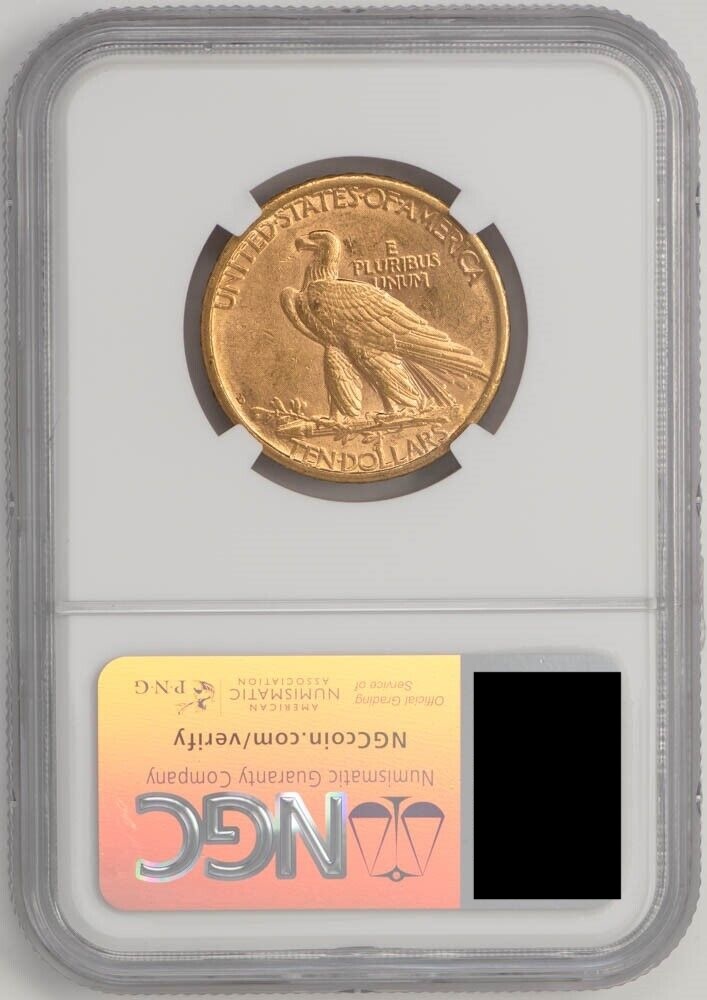
The $10 Eagle gold piece was minted from 1795 until 1933 and contains 0.48375 troy ounces of gold.
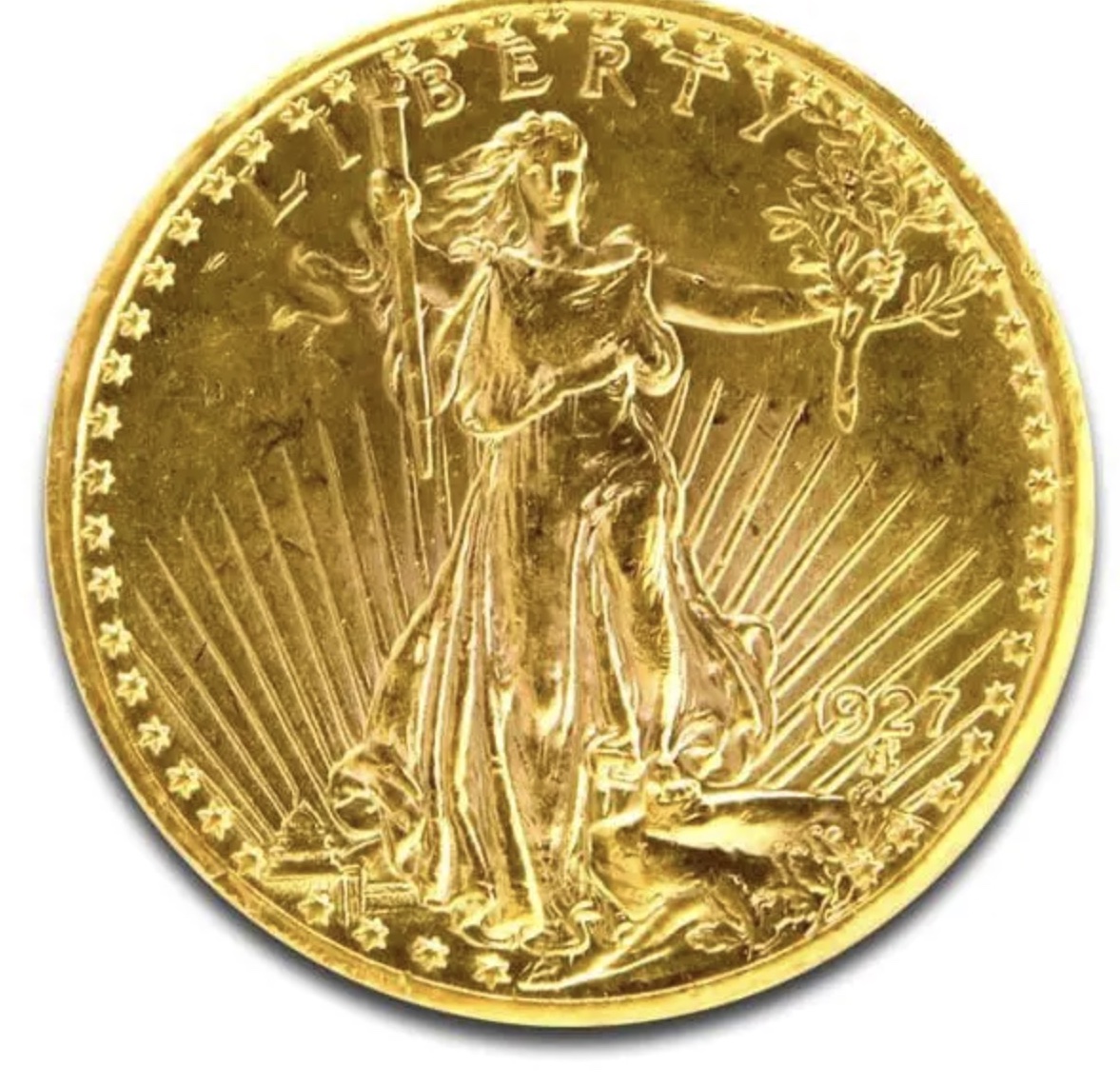
Prior to the Great Depression, gold coins were the normal and natural form of money and in common circulation throughout the world.
Gold coins can bring unique diversity to an existing investment portfolio, while expanding on an interest in numismatics or history. Beyond potential financial gains, the process of collecting, studying, and preserving historical coins can morph into a numismatic hobby.
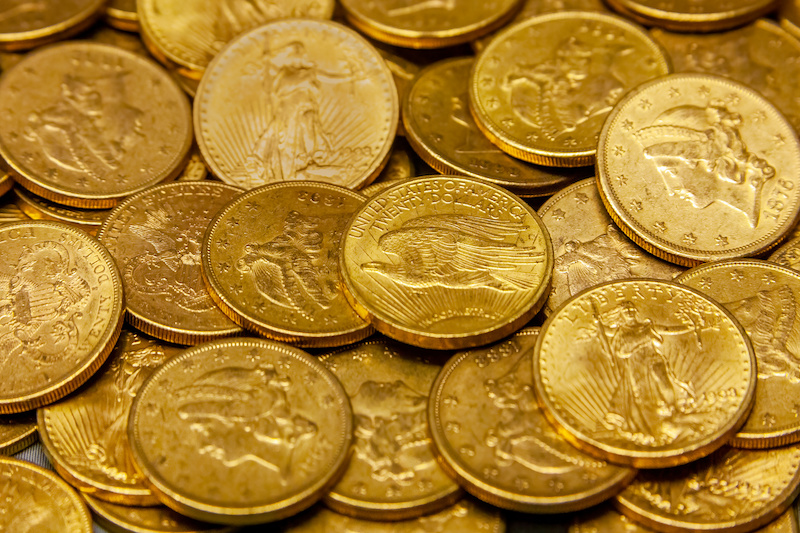
While all gold coins carry value due to their metal content, vintage coins can also have numismatic value. The numismatic value depends on collector demand, rarity, historical significance, condition, other attributes.
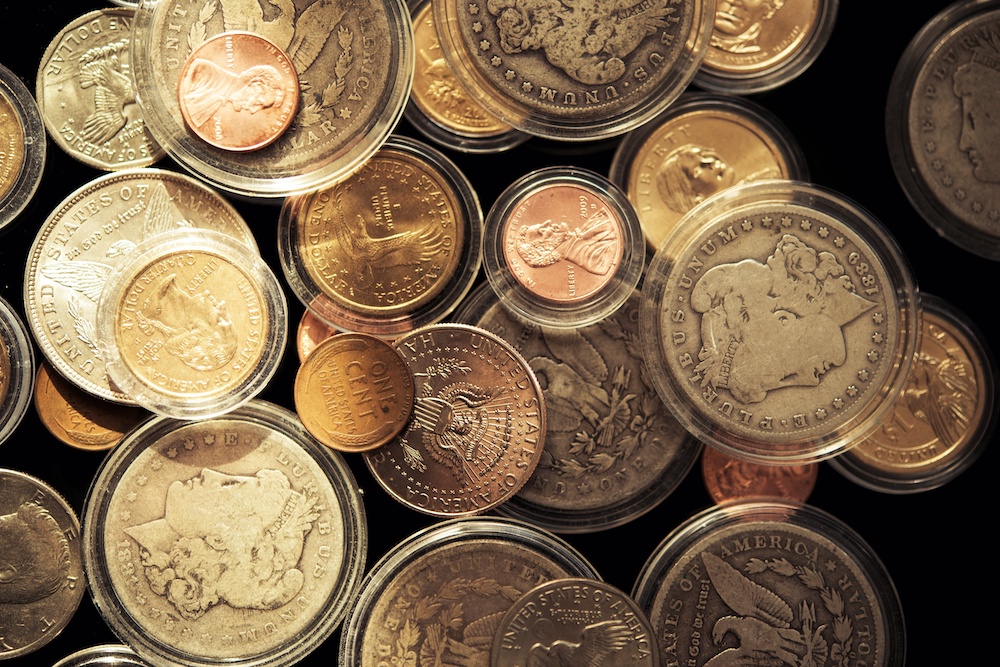
Coin collecting has evolved beyond merely acquiring coins for their monetary value. Many collectors now focus on various aspects, including historical significance, artistic appeal, rarity, and cultural context, with some collectors specializing in specific periods, rulers, or coin types.
With advancements in communication and technology, coin collecting has become more accessible to a global audience. The internet allows collectors to connect, research, sell and buy gold coins from around the world. Online auction platforms and forums have expanded the reach of numismatics.
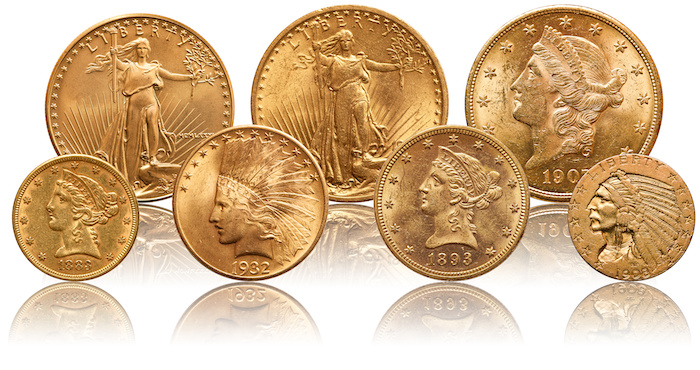
With their unique designs, historical significance, and rarity, Pre-1933 US Gold Coins offer collectors and investors a glimpse into the past and a tangible connection to the stories of our ancestors.
These gleaming pieces of history are valuable precious metal assets and windows into a fascinating era.
Learn how the Sheldon Scale revolutionized coin grading and discover how NGCX is reshaping modern numismatics. Understand grading for Pre-1933 Gold Coins and why it matters.
Despite the long history of gold and silver being recognized as money, many states continue to tax their citizens for the privilege of owning these metals. The notion of sales tax on precious metals investing is contentious to some and represents a line in the sand between some legislators and investors.
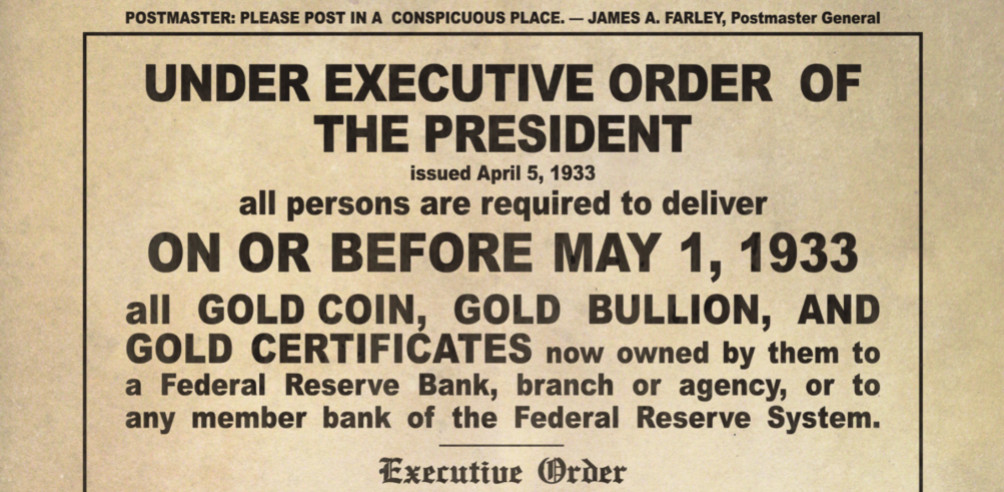
On April 5, 1933 President Franklin Roosevelt signed Executive Order 6102 which outlawed the private ownership of gold by citizens.
For a duration lasting 41 years in the mid-20th century, the government made it a crime for the people to own, hold or transact in sound money.
Following the resignation of Nixon, one of the first laws signed by President Ford included a bill which reversed Roosevelt’s Executive Orders.
It has been legal for anyone to own, hoard, buy and sell gold in the United States since December 1, 1974.
Learn how bullion dealer premiums work, what drives them, and how to compare premiums across dealers to find the lowest price on silver and gold coins, bars, and rounds.