Gold coins are the most common way investors buy physical gold. The question is which coin — and the answer depends on what you’re optimizing for: lowest premium, global liquidity, purity, or collector value.
Modern Bullion Favorites
American Gold Eagle
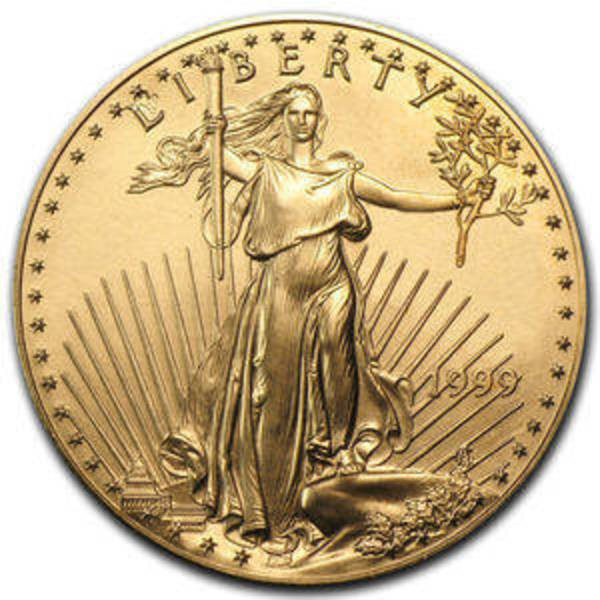
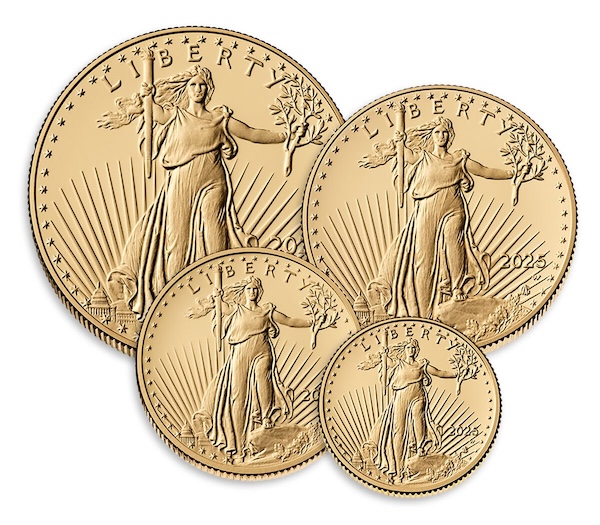
The U.S. Mint’s flagship gold bullion coin, the American Gold Eagle, is struck in 22-karat gold and features one of the most iconic American designs by Augustus Saint-Gaudens. Available in 1/10 oz, 1/4 oz, 1/2 oz, and 1 oz denominations, it’s renowned for its liquidity, legal tender status, and widespread recognition among investors. Type 1 coins feature a family of eagles, while Type 2 coins (introduced in mid-2021) display a close-up of a bald eagle. Compare current premiums across dealers on the Gold Eagle prices comparison page.
American Gold Buffalo
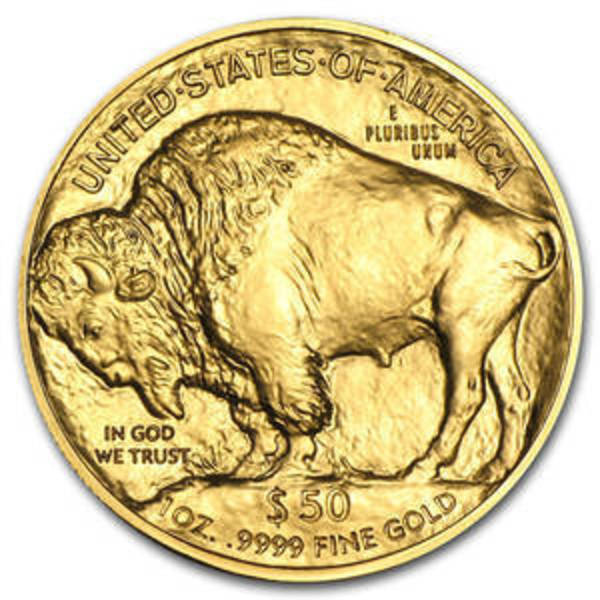
For those who prefer 24-karat purity, the American Gold Buffalo is a strong contender. Introduced in 2006 and modeled after James Earle Fraser’s Buffalo Nickel, the coin is .9999 fine gold and highly sought after by investors looking for a pure gold alternative with U.S. Mint backing. See current Gold Buffalo prices across dealers.
Canadian Gold Maple Leaf
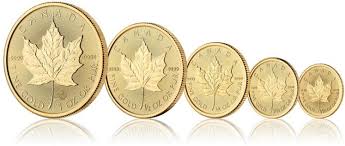
Produced by the Royal Canadian Mint, the Gold Maple Leaf is one of the purest bullion coins on the market at .9999 fine gold. It features cutting-edge anti-counterfeit technology, including radial lines and a laser-engraved micro-maple mark, making it one of the most secure coins. The Maple Leaf consistently carries one of the lowest premiums among sovereign gold coins. Compare current pricing on the Maple Leaf dealer comparison page.
South African Krugerrand
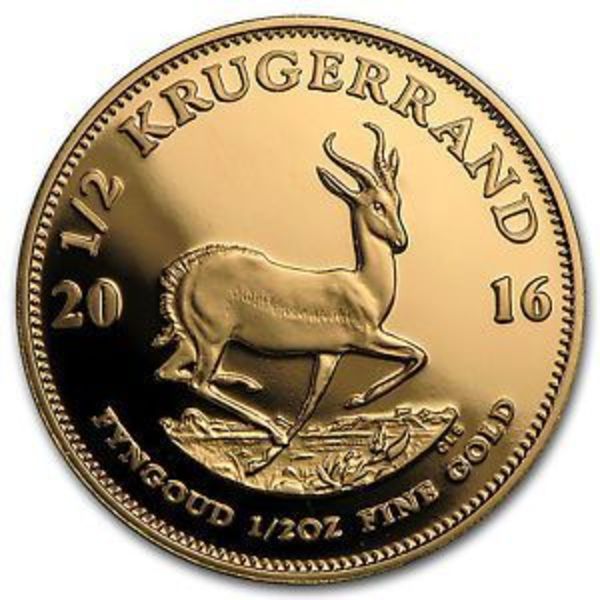
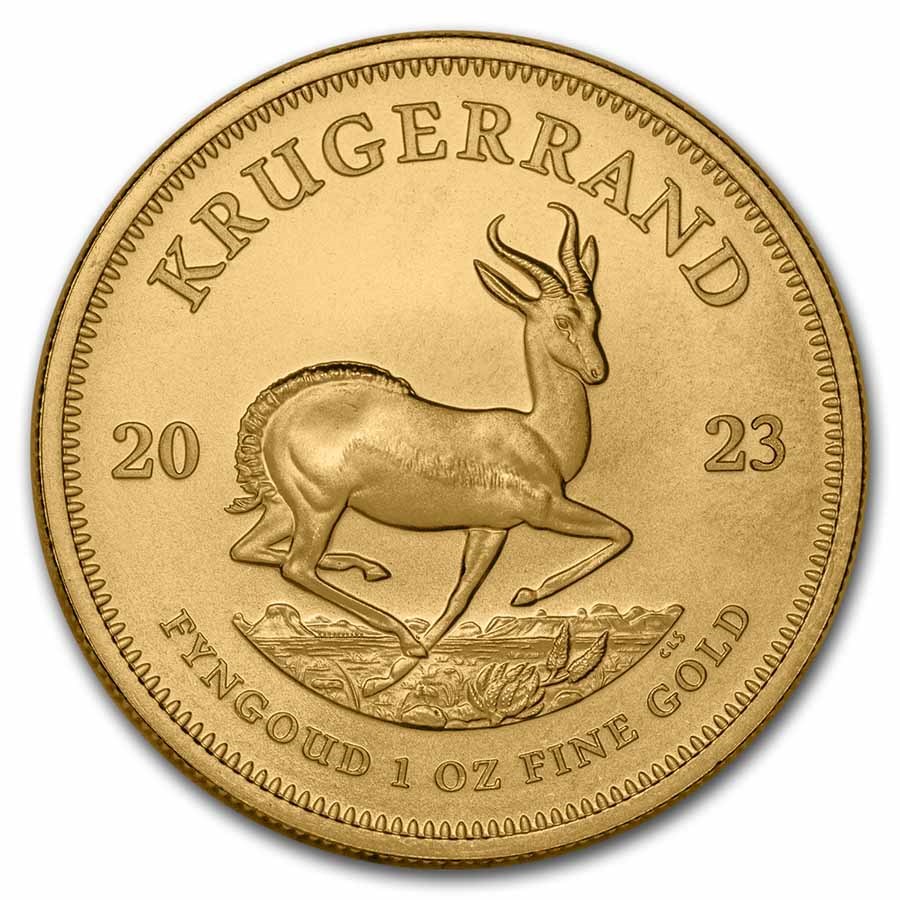
A pioneer among modern bullion coins, the Krugerrand debuted in 1967 as the first gold coin specifically minted for private investment purposes. Produced by the South African Mint, it set the global standard for bullion coinage and inspired the creation of other national bullion programs like the American Gold Eagle and Canadian Maple Leaf. The Krugerrand is minted from 22-karat gold (91.67% purity), alloyed with a small amount of copper for added durability, yet it still contains exactly one troy ounce of pure gold.
The Krugerrand value closely tracks the spot price of gold, making it an ideal investment vehicle. Krugerrands often carry some of the lowest premiums over spot when compared to newer bullion coins, especially in the secondary market.
Austrian Gold Philharmonic
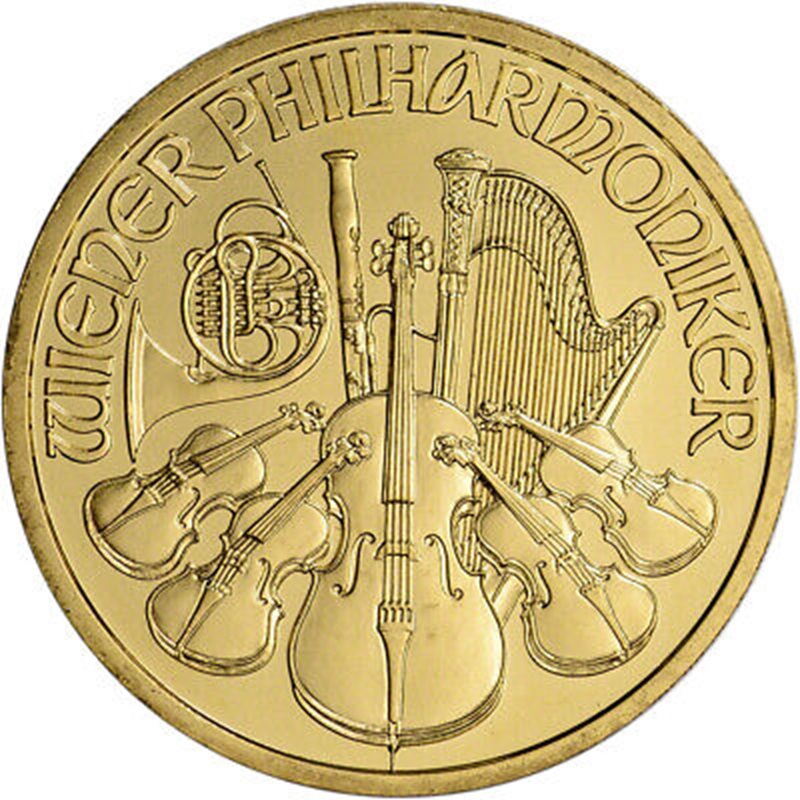
Known for its elegant design, the Gold Philharmonic is Austria’s official bullion coin and the only one denominated in euros. It’s minted in .9999 fine gold and showcases classical musical instruments and Vienna’s famed concert hall organ, appealing to investors with an appreciation for European culture.
U.S. Mint Pre-1933 Gold Coins
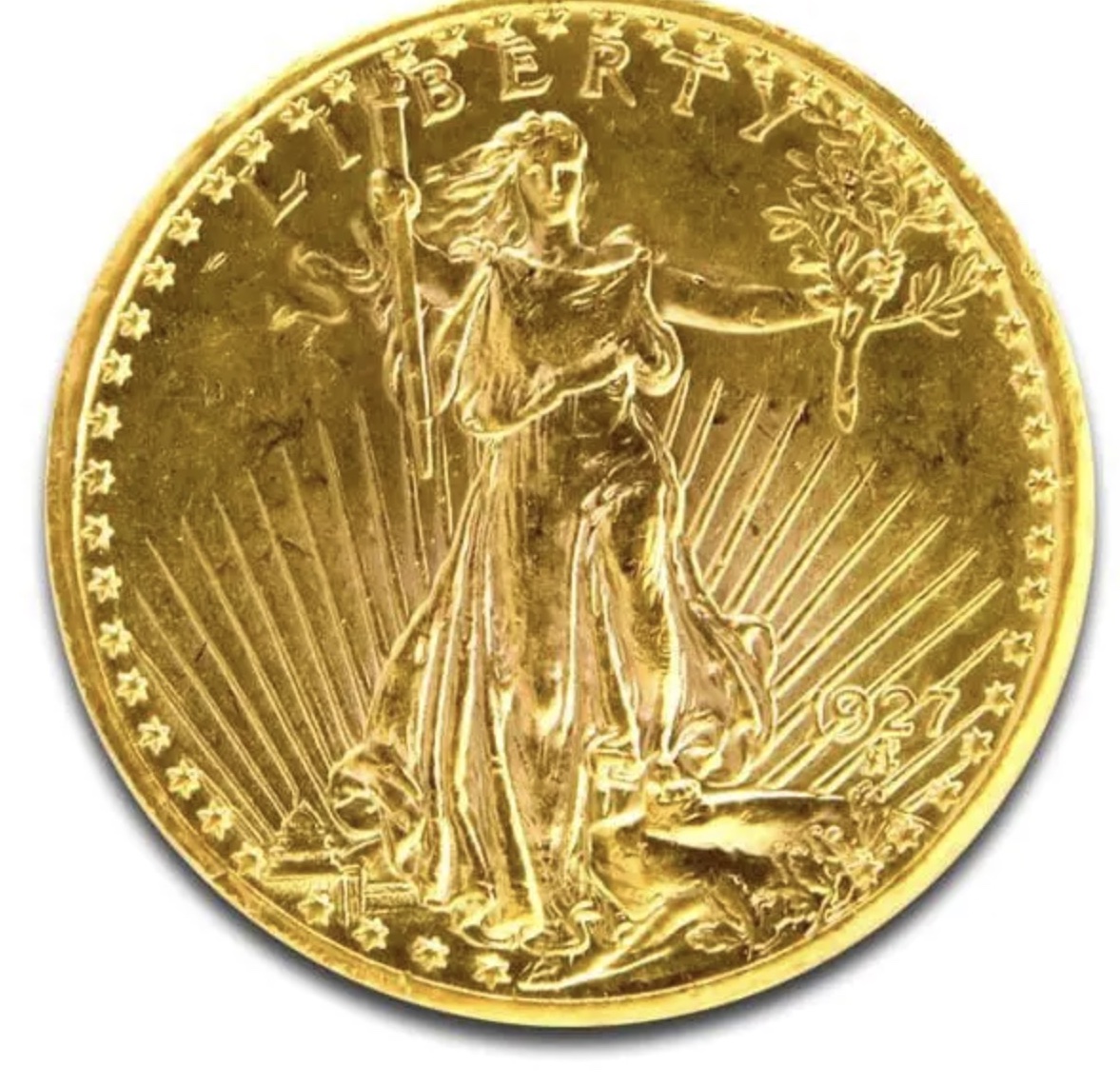
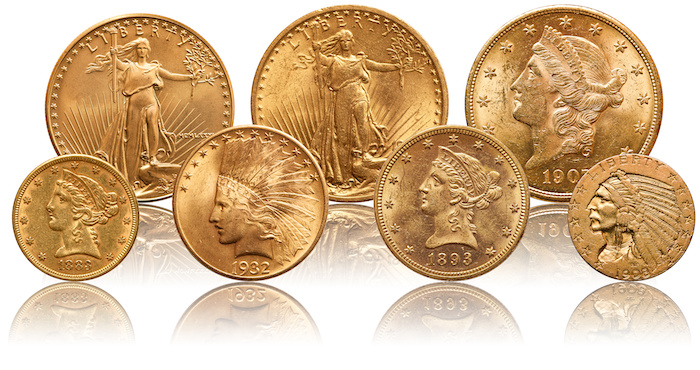
Pre-1933 U.S. gold coins offer a compelling alternative to modern bullion for investors who value historical significance and potential numismatic upside. These coins were minted when gold circulated as money in the U.S. such as the $10 Liberty Head Eagle, $20 Liberty Double Eagle, and $20 Saint-Gaudens Double Eagle. These coin are available in circulated or brilliant uncirculated condition, with coins in better condition having potential numismatic value.
Because of their age and limited surviving populations, pre-1933 coins carry premiums above their melt value. Still, they also benefit from exemptions in certain tax jurisdictions and are generally more difficult to counterfeit due to their known designs and minting characteristics. For a deeper dive into denominations, key dates, and current pricing, see our Pre-1933 U.S. Gold guide.
Secondary Market Gold Coins
Secondary market coins are a practical and often cost-effective way to invest in gold coins. These coins are previously owned bullion coins and may not come in their original packaging, but are still authentic, tested, and guaranteed for weight and purity by reputable dealers.
Because they are not freshly minted, secondary market coins usually carry lower premiums over spot than brand-new coins. They’re a wise choice for investors looking to maximize the amount of gold they can acquire per dollar. American Eagles, Maples, and Buffalos frequently appear in this category. The closest-to-spot gold page often features secondary-market coins with the lowest premiums available.
Cheapest Gold Coins: Vintage European Gold
If you focus on acquiring gold as close to spot as possible, vintage European gold coins represent some of the cheapest gold coins on the market. These include:
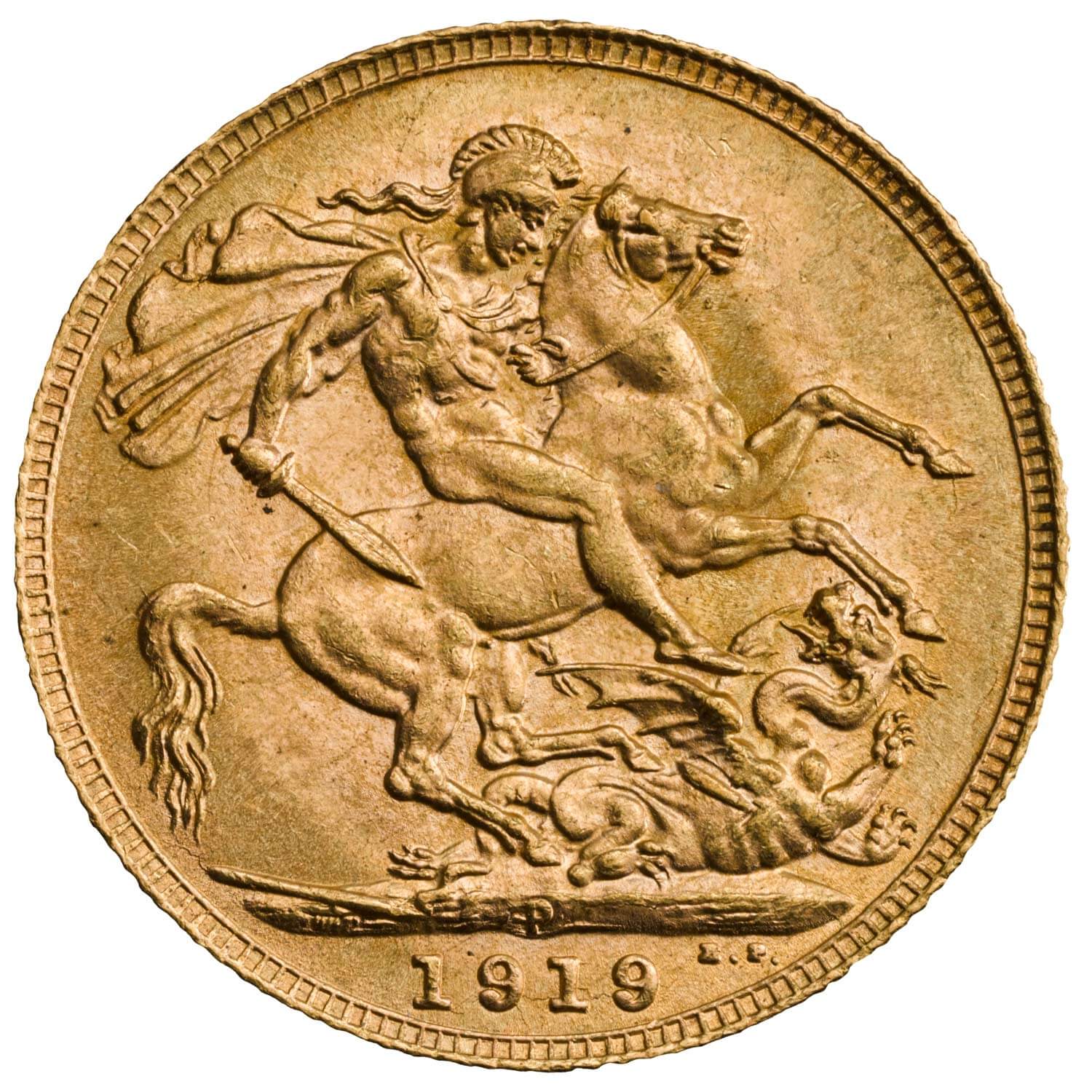
- British Gold Sovereigns: Contain 0.2354 oz of gold, widely recognized, and often available at low premiums.
- French 20 Franc Roosters and Angels: Each contains 0.1867 oz of gold, minted primarily in the late 19th and early 20th centuries.
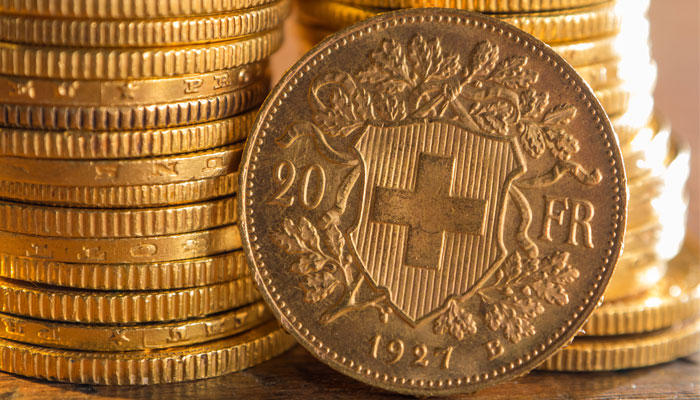
- Swiss 20 Franc Helvetias: Similar to the French coins in weight and design, with widespread market acceptance.
- Austrian 100 Corona: Struck in .980 fine gold containing 0.9802 oz of gold, often available at lower prices due to their larger size and relative obscurity.
These vintage coins are popular among stackers and long-term holders due to their low premiums and broad international recognition. They often trade close to melt value and are widely available on the secondary market. For detailed pricing on 20 Franc gold coins, see our 20 Francs gold coin guide.
Final Thoughts
The best gold coins to buy depend on your goals—whether you prioritize liquidity, purity, collectibility, or low premiums. For pure bullion exposure, coins like the Gold Buffalo or Maple Leaf are hard to beat. For historical charm with bullion value, pre-1933 U.S. gold coins offer an intriguing blend of rarity and recognizability. If you’re hunting for value, secondary market and vintage European coins are often the best path toward stacking more gold at the lowest cost.
Whichever route you take, always compare gold coin prices across multiple dealers to ensure you get the best deal. Before buying any gold coin, check the gold comparison page to see which dealer has the lowest premium on that specific product right now. The closest-to-spot gold page ranks every gold product by premium over spot — start there if your goal is the most gold per dollar.