If you’re new to buying silver, the price can feel like it changes for no obvious reason. One week silver is $68 an ounce, the next it’s $78, then back to $64 — sometimes within the same day. Understanding why silver moves the way it does helps you make smarter buying decisions and avoid paying more than you need to.
The short answer: the silver price per ounce you see quoted on any given day is not set by the supply and demand for kilo bars or coins in a coin shop. It’s set in the futures markets through trading on a commodity exchange. Here’s what that means in plain terms.
Silver Is an Industrial Metal as Much as a Precious One
Before getting to futures, it helps to understand why silver trades like a commodity in the first place. Silver has genuine industrial demand that goes far beyond collectors and investors:
- Electronics — silver is the best electrical conductor of any element. It’s used in circuit boards, solar panels, EV batteries, and 5G infrastructure.
- Medical — silver’s antimicrobial properties make it useful in wound dressings, catheters, and surgical tools.
- Jewelry and silverware — traditional fabrication demand that has existed for centuries.
- Investment and coinage — coins, bars, and rounds held as a store of value or inflation hedge.
Large industrial buyers — solar panel manufacturers, electronics firms, medical device makers — need to plan their silver purchases months or years in advance. Paying the “spot” price on the day they need silver creates too much uncertainty for their budgets. To solve this, they use futures contracts.
What Is a Futures Contract?
Futures contract: A legally binding agreement to buy or sell a specific quantity of a commodity at a set price on a future date. The buyer and seller agree on the price today, but the actual exchange of goods (or cash settlement) happens later.
A solar panel manufacturer that needs 50,000 ounces of silver in nine months might buy futures contracts today at the current price to “lock in” that cost. If silver rises in the meantime, they’re protected — they already secured their supply at the lower price. If silver falls, the manufacturer paid more than the market rate, but they accepted that trade-off for the certainty.
This kind of hedging is entirely rational and is practiced by industrial companies all over the world.
Where Does the Silver Price Actually Come From?
Silver futures trade on two major exchanges that set the global reference price:
- COMEX (Commodity Exchange Inc., part of the CME Group in New York) — the primary market for silver futures in the U.S. and the most-watched price benchmark globally.
- LBMA (London Bullion Market Association) — sets the twice-daily “silver fix” (now called the LBMA Silver Price), which is widely used for physical settlement and long-term contracts.
- Shanghai Futures Exchange (SHFE) — the primary silver futures market for Asia.
The “silver spot price” you see quoted on Kitco, APMEX, FBP and other sites is derived in real time from the nearest active COMEX futures contract. It’s not a price for a specific bar of silver sitting in a vault. It’s the current consensus price between buyers and sellers betting on where silver will be when the contract settles.
Paper Contracts vs. Physical Silver
Here’s where it gets interesting — and why silver behaves differently than you might expect.
The volume of silver futures contracts traded on COMEX is dramatically larger than the amount of physical silver available for delivery. Industry analysts have estimated that for every ounce of physical silver produced annually, hundreds of paper contracts representing a claim on silver are traded — the commonly cited ratio has ranged from 100:1 to over 400:1 depending on the measurement period and methodology.
Most of these contracts are never intended to result in physical delivery. Instead, they are settled in cash, rolled over to a later contract, or closed out before the delivery date. The participants include:
- Industrial companies hedging future purchases (as described above)
- Investment banks and hedge funds speculating on price direction
- Market makers providing liquidity
- ETF managers and institutional portfolio hedgers
Because the price is set by this enormous pool of paper trading — not just by buyers and sellers of physical coins and bars — silver’s spot price can sometimes diverge from the day-to-day reality of physical supply and demand.
What this means for physical buyers: When financial markets are stressed or speculative sentiment shifts, silver can move sharply for reasons that have nothing to do with whether there are enough bars available at your local dealer. This is normal — and is one reason why physical silver buyers often track both the spot price and dealer premiums separately.
A Note on Price Manipulation
The influence of large institutional traders on silver prices is not purely theoretical. In 2020, JPMorgan Chase agreed to pay $920 million to settle charges brought by the U.S. Department of Justice and the Commodity Futures Trading Commission (CFTC) for a years-long scheme to manipulate precious metals futures markets, including silver. Several individual traders were also criminally convicted.
Regulators have since increased scrutiny of spoofing and layering in commodity markets. This documented history is worth knowing as a silver buyer — not as a reason for alarm, but as context for why spot prices can occasionally feel disconnected from what’s happening in the physical market.
What You Actually Pay: Spot Price + Dealer Premium
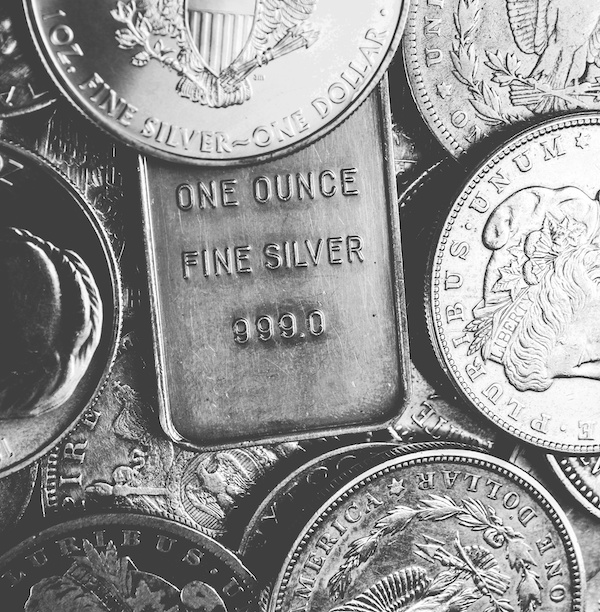
When you buy a silver coin or bar, you will always pay more than spot. The difference between the spot price and your purchase price is called the dealer premium (sometimes called the “premium over spot”). It covers:
- Fabrication costs (mining the silver, refining it, minting coins or casting bars)
- The dealer’s profit margin and overhead
- Shipping and handling
- Any numismatic or collectible value for coins
Premiums vary significantly by product. A 1 oz generic silver round might carry a $2.50–$3.50 premium over spot. A 1 oz American Silver Eagle might carry a $7–$10 premium over spot, partly due to its status as legal tender and partly due to mint production costs. Premiums also tend to spike when physical demand surges faster than supply, even if the futures-derived spot price is flat or falling.
Practical tip: Comparing premiums across dealers is often more valuable than watching spot price move. On any given day, dealer premiums on the same product can vary by $1–$3 per ounce — easily the difference between a fair price and an overpriced purchase.
Compare dealer premiums in real time: FindBullionPrices tracks live prices from dozens of dealers so you can see exactly how much over spot each dealer is charging — and find the lowest silver prices available right now. You can also check silver coin melt values to understand the intrinsic metal value of any U.S. silver coin before you buy.
The Bottom Line
The silver price per ounce you see quoted is set by futures markets, not by the physical supply of coins and bars. Industrial demand, institutional speculation, and financial hedging all feed into that price — which is why silver can move on news that seems unrelated to “silver” in the everyday sense.
As a buyer, what you actually pay is the spot price plus the dealer premium. Keeping an eye on both — and comparing premiums across dealers — is the most direct way to make sure you’re getting fair value when you buy.
Sources & further reading:
U.S. DOJ: JPMorgan Agrees to Pay $920 Million (Sept. 29, 2020) · CFTC: CFTC Orders JPMorgan to Pay $920 Million (Sept. 29, 2020) · CME Group: COMEX Silver Futures Contract Specifications · LBMA: Silver Price Methodology · US Debt Clock: Gold & Precious Metals