The U.S. Mint ships American Silver Eagles in bulk to its network of authorized purchasers using standardized packaging known as a monster box. Understanding what a monster box is — and how the packaging works — is useful for investors who buy silver in quantity.
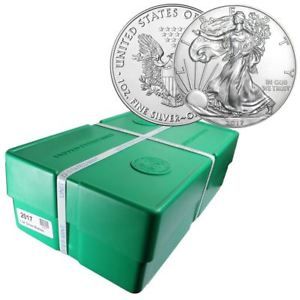
After striking, the Mint packages Silver Eagles into plastic tubes of 20 coins each. Twenty-five tubes are then fitted into a single sealed monster box, bringing the total to 500 troy ounces of silver per box. The tubes sit snugly inside to minimize movement during shipping, and the box itself is sealed with a U.S. Mint security strap that serves as a tamper indicator. An unopened Silver Eagle monster box — with the strap intact — typically commands a slightly lower per-ounce premium than coins purchased individually, which is the primary reason bulk buyers seek them out.
The Silver Eagle monster box is green. Other sovereign mints use different colors and configurations to distinguish their products — the Royal Canadian Mint ships Maple Leafs in yellow boxes of 500 coins, while the Austrian Mint uses a red for its Philharmonic boxes.
The 500-ounce standard has become the industry norm, though the Perth Mint package certain series in smaller 250-ounce monster boxes. A handful of bullion retailers also use the term “mini monster box” for repackaged quantities of 100 or 200 ounces, though these are dealer inventions rather than official mint packaging.
For investors considering a monster box purchase, the math is straightforward: buying 500 ounces at once locks in a lower per-ounce premium than buying the same quantity in smaller increments over time. The tradeoff is the upfront capital commitment. Our monster box investing guide covers the premium structure, how to compare prices and premiums across mints, and when bulk buying makes sense.